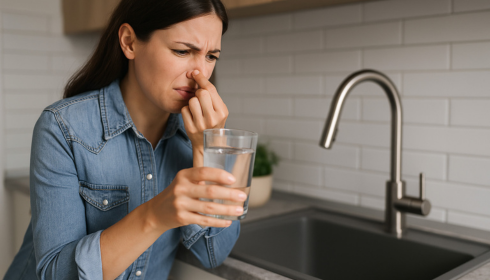
Most homeowners don’t think much about their water until something feels… strange.
Maybe the tap water suddenly tastes different one morning. Maybe the shower leaves your skin feeling unusually dry. Sometimes it’s an odor drifting from the sink late at night when nobody else notices it yet. Small things, honestly. Easy to dismiss at first.
But water has a funny way of getting your attention slowly.
Unlike a broken appliance or a leaking pipe, water quality issues rarely arrive dramatically. They creep into daily routines bit by bit until you realize your “normal” might not actually be normal at all.
And once people start paying attention, they often discover how deeply water affects comfort inside a home.
Water Quality Isn’t Always Visible
One of the biggest misconceptions about household water is the idea that clear water automatically means clean water. It would be convenient if that were true, but reality tends to be more complicated.
Water can carry minerals, bacteria, gases, or imbalances that aren’t immediately visible. Sometimes the clues show up through taste or smell first. Other times they appear through plumbing problems, staining, or changes in how appliances perform.
That’s why testing matters.
A lot of homeowners rely entirely on appearance until an issue becomes impossible to ignore. But water chemistry doesn’t really care whether someone notices it right away or not.
Why pH Balance Matters More Than People Realize
Most people never think about the pH level of their water, which makes sense because it sounds more like high school science class than everyday home maintenance.
Still, pH balance quietly affects quite a lot.
Water that’s too acidic can gradually corrode plumbing fixtures and pipes over time. On the other hand, highly alkaline water may contribute to mineral buildup and scaling. Even taste changes depending on pH balance, though people often struggle to describe exactly what feels “off.”
Coffee lovers tend to notice first, interestingly enough.
Brewing coffee with improperly balanced water can flatten flavors or create bitterness that has nothing to do with the beans themselves. The same goes for tea, cooking, and even ice cubes. Tiny chemistry shifts affect daily experiences in ways most people never expect.
And honestly, once homeowners correct those imbalances, many are surprised by how much fresher ordinary things suddenly taste.
That Rotten Egg Smell Isn’t Just in Your Head
One of the most recognizable water issues homeowners encounter is a sulfur smell.
If you’ve ever turned on a faucet and caught an odor similar to rotten eggs, you already know how unpleasant it can be. In many cases, sulfur-related odors come from hydrogen sulfide gas naturally present in groundwater, especially in homes using private wells.
The smell itself may not always signal a major health threat, but it definitely affects comfort. Nobody enjoys brushing their teeth or washing dishes with water that smells questionable.
Sometimes the odor only appears in hot water. Other times it affects the entire house. That inconsistency confuses people because the issue seems to come and go randomly.
And naturally, homeowners start wondering whether something serious is happening behind the walls or underground.
The good news is that sulfur odors are often treatable once the source is properly identified. The important part is avoiding guesswork. Different causes require different solutions, which is why testing and professional evaluation usually save time — and frustration — in the long run.
Water Safety Is About More Than Drinking
When people hear the phrase water safety, they usually think only about drinking water. But safe, reliable water affects much more than what ends up in a glass.
Water touches nearly every routine inside a home.
Cooking. Laundry. Bathing. Cleaning dishes. Washing produce. Even the air people breathe during hot showers can carry chemicals or odors released through steam. That’s partly why homeowners increasingly pay attention to whole-home water quality instead of focusing only on kitchen sinks.
And honestly, it’s not about fear.
Most homeowners aren’t looking for dramatic warnings or worst-case scenarios. They simply want confidence that their water supports a healthy, comfortable environment for everyday living. Reliable water creates peace of mind in quiet ways people don’t always notice until something changes.
The Emotional Side of Water Problems
Water issues are frustrating partly because they feel personal.
A strange smell from the faucet makes people uneasy. Staining around sinks creates embarrassment when guests visit. Dry skin, odd tastes, cloudy glasses — these little annoyances slowly chip away at the feeling of comfort people expect from their homes.
And because water flows through everything, the problems feel impossible to fully escape.
That’s why homeowners often describe relief, not excitement, after solving water quality issues. Relief that showers feel normal again. Relief that the kitchen smells clean. Relief that the coffee finally tastes the way it should.
It’s rarely dramatic.
But those quiet improvements matter more than people realize while they’re missing them.
Better Water Changes Daily Life Quietly
The interesting thing about improving household water quality is how quickly people stop thinking about it afterward.
That probably sounds strange, but it’s true.
Once the smell disappears, the taste improves, and the plumbing behaves normally again, water fades back into the background where it belongs. Daily routines become easier without demanding constant attention. Showers feel comfortable. Dishes come out cleaner. Appliances work more efficiently.
And honestly, that’s the ideal outcome.
Good water shouldn’t become the center of someone’s life. It should quietly support it in the background without causing stress, discomfort, or endless maintenance headaches.
Because at the end of the day, most homeowners aren’t chasing perfection. They simply want their home to feel healthy, comfortable, and reliable again — and clean water plays a much bigger role in that than many people realize at first.