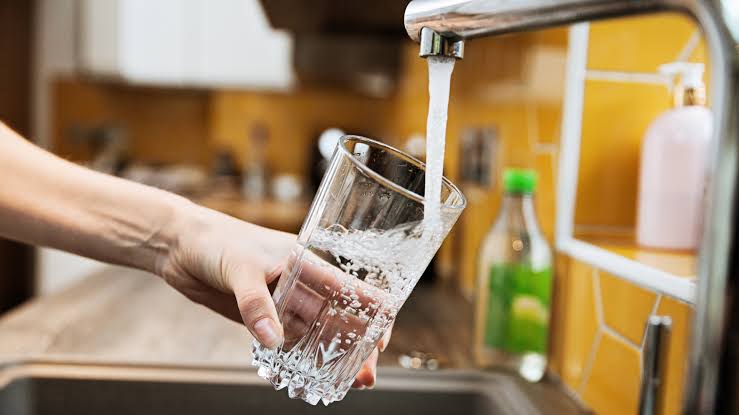
There’s a small comfort in filling a glass straight from the kitchen tap. It’s quick, convenient, and usually something we do without a second thought. But if the water has an unusual taste, leaves deposits on the kettle, or comes from a source you don’t fully understand, that simple routine can raise a few questions. Is the water suitable for drinking? Would a filter help? And how do you know which treatment system is actually worth the investment?
These are reasonable questions, especially when so many products promise cleaner, fresher water. The answer isn’t always to buy the most expensive purifier available. A better approach starts with understanding your water supply, identifying any concerns, and choosing a treatment method that addresses them properly.
What Makes Drinking Water Suitable for Your Home?
Water quality depends on several factors, including the source, local environmental conditions, treatment processes, and household plumbing. Municipal water supplies are generally treated and monitored, but their mineral content and taste can vary. Private wells may have different concerns because the surrounding geology and land use influence what enters the water.
Some issues are easy to notice. Chlorine can affect taste and smell, while iron may leave reddish marks around sinks or fixtures. Hardness minerals can create white scale on taps and glassware. Other substances, however, may not produce any obvious change in appearance, which is why clear water shouldn’t automatically be considered free of every contaminant.
Testing provides a more dependable starting point than guessing. Depending on the source and the concerns involved, a water test may measure hardness, pH, iron, dissolved solids, bacteria, or specific chemicals. If you’re concerned about substances such as lead, nitrates, or microbial contamination, choose an appropriate testing method, potentially through a certified laboratory.
Once you understand the results, you can decide whether treatment is needed and what type is suitable. This step can prevent unnecessary spending on equipment that doesn’t address the actual problem.
Choosing the Right Drinking Water System
Different homes have different priorities. One family may want to improve the taste of tap water, while another may need to reduce a particular dissolved contaminant identified through testing. A household using well water may also have different treatment requirements from one connected to a municipal supply.
Modern drinking water systems use several technologies, each designed for particular purposes. Activated carbon filters can reduce chlorine taste and certain odors, depending on their design and certification. Reverse osmosis systems can reduce a range of dissolved substances, while ultraviolet equipment may be used for microbial disinfection when properly selected and installed.
These options aren’t interchangeable. A basic carbon filter shouldn’t be assumed to remove every dissolved contaminant, and a water softener is designed mainly to address hardness rather than provide complete purification. If your concern involves a specific substance, look for documented performance against that substance.
Installation style matters, too. A countertop filter may suit a renter who wants a relatively simple arrangement, while an under-sink system can provide filtered water through a dedicated faucet. Whole-house equipment may be useful when a treatment need affects several fixtures, although it isn’t always necessary for drinking-water concerns alone.
Think about your kitchen space, daily water use, installation requirements, and replacement-filter availability before making a decision. The best system is one that fits naturally into your routine.
Why Clean Water Deserves More Than Guesswork
Water plays a central role in daily life. We drink it, cook with it, wash produce, make tea, and use it to prepare meals for children and older family members. Naturally, people want confidence in what comes from the tap.
Access to clean drinking water depends on more than appearance or taste. Appropriate source-water treatment, sound plumbing, suitable storage, and well-maintained filtration equipment can all contribute to water quality. If you use a municipal supply, reviewing the provider’s published water-quality report can help you understand the source and routine monitoring results.
However, a public report may not identify every issue that develops inside an individual property. Older plumbing, for example, can affect water after it leaves the treatment facility. If you notice a persistent change in taste, colour, or odor, contact your water supplier or a qualified professional and consider appropriate testing.
Private well owners should be especially attentive to regular testing because their water quality can change with rainfall, flooding, nearby agricultural activity, or other environmental conditions. Local health authorities can often provide guidance on which tests are relevant and how frequently they should be performed.
It’s also important to understand what a treatment device can realistically achieve. No single filter removes everything from every water supply. Choosing equipment based on reliable test results is a more sensible approach than relying on broad marketing claims.
Understanding Harmful Impurities and Treatment Options
The phrase “water impurities” covers many different substances, and each requires a suitable response. Sediment consists of suspended particles that some filters can capture. Certain dissolved metals require treatment specifically designed to reduce them. Bacteria and other microorganisms may require an appropriate disinfection method, depending on the water source and test findings.
Addressing harmful impurities begins with identifying what is present and determining whether it poses a concern. For example, a carbon filter may improve taste but shouldn’t be relied upon to resolve a bacterial contamination problem unless the product is specifically designed and validated for that purpose.
Reverse osmosis can reduce various dissolved substances, but its performance depends on the system, the membrane, and the contaminants involved. These units also require maintenance and may produce wastewater during operation. Ultraviolet disinfection can be useful for certain microbial concerns, but it doesn’t remove dissolved chemicals or minerals.
If testing identifies a health-related concern, follow advice from the relevant health authority and use a treatment method verified for that specific issue. In situations involving potentially unsafe water, don’t assume that installing a household filter alone makes the supply safe.
Maintenance Is Part of Water Quality
Buying a treatment system is only the beginning. Filters gradually reach the end of their useful life, membranes may need replacement, and some equipment requires regular cleaning or servicing. If these tasks are overlooked, performance can decline.
Follow the manufacturer’s maintenance schedule and keep a record of installation dates, cartridge changes, and service visits. Watch for changes in water pressure, taste, or odor, but don’t rely on these signs alone to determine whether a filter is still working effectively.
When a water source changes or you notice a sudden difference in quality, further testing may be appropriate. Routine attention helps you identify problems before they become more difficult to manage.
Make an Informed Decision for Your Household
Choosing a drinking-water treatment system doesn’t have to be overwhelming. Start with the source, identify your concerns, and use appropriate testing to guide the decision. Compare systems according to their verified performance, installation requirements, maintenance needs, and long-term costs.
Be cautious of claims that one product can solve every water-quality problem. Ask which substances the equipment is designed to reduce, what evidence supports those claims, and how often the system needs servicing.
Ultimately, the goal is simple: water that meets your household’s needs and a treatment setup you can maintain confidently. With reliable information and realistic expectations, you can make a practical choice that supports your family’s daily routine without paying for features you don’t need.