
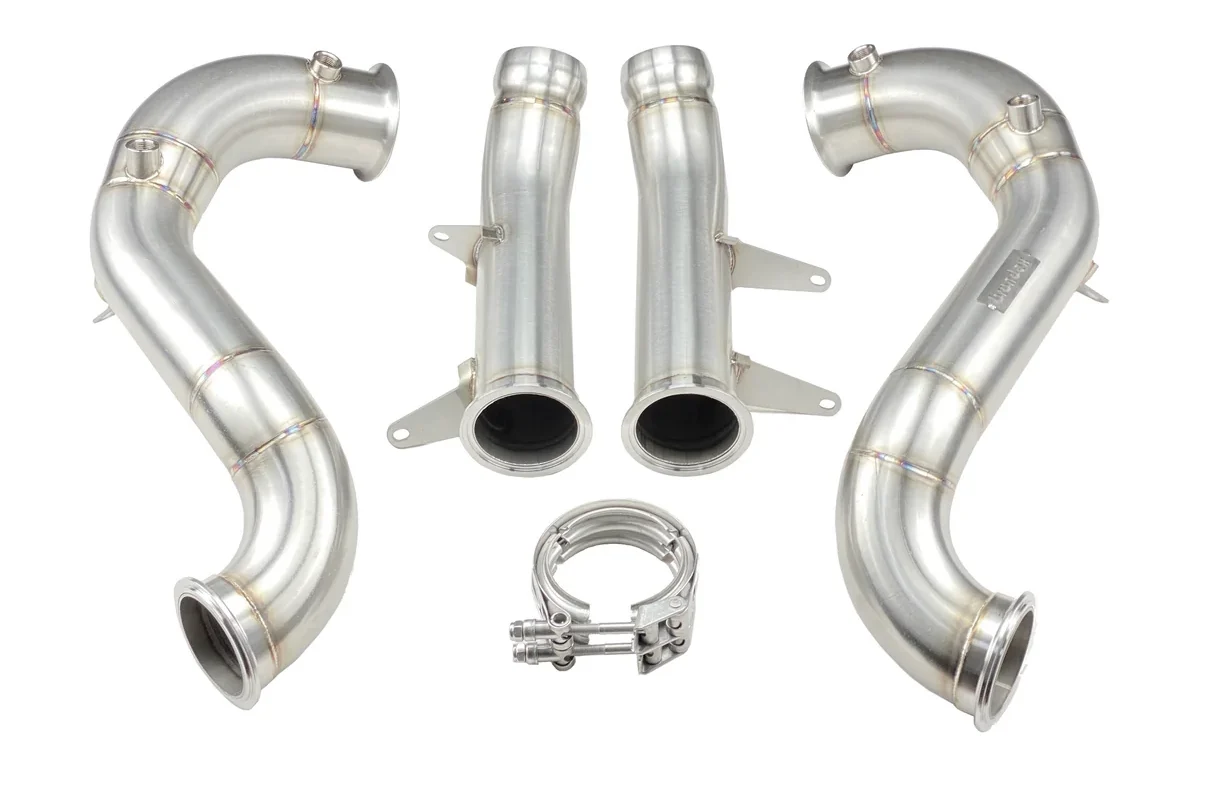
There’s something special about driving a Mercedes-AMG. It isn’t just the acceleration or the familiar badge on the steering wheel. It’s the combination of engineering, sound, comfort, and performance that makes these cars feel different from ordinary luxury vehicles. For enthusiasts, though, the factory setup is sometimes just the starting point. They want a little more character from the exhaust, improved flow, or a sound that better reflects the engine underneath the bonnet.
That’s where downpipes enter the conversation. These components play an important role in turbocharged exhaust systems, and choosing the right setup can make a noticeable difference to the overall driving experience. However, upgrading a Mercedes-AMG GT63 X290, E53 AMG, or E63 W213 isn’t something to approach casually. Each platform has its own requirements, and a suitable part needs to match the vehicle’s engineering.
What Makes Downpipes Important in an AMG?
A downpipe connects the turbocharger’s exhaust outlet to the remaining exhaust system. Hot gases pass through this section before moving further along the exhaust route. Its design, diameter, bends, and internal components can influence how efficiently gases travel.
Factory downpipes are developed to balance performance, emissions compliance, noise levels, and everyday comfort. Aftermarket alternatives may use different materials or internal configurations to change exhaust characteristics. Depending on the vehicle and complete setup, these changes can influence sound and exhaust flow.
It’s easy to assume that a larger pipe automatically delivers more power. In reality, results depend on several factors, including turbocharger design, engine calibration, exhaust configuration, and supporting modifications. A well-designed component is usually more valuable than an impressive-looking product with vague performance claims.
Mercedes-AMG GT63 X290: Keeping Performance and Refinement Together
The Mercedes-AMG GT63 X290 has a distinctive personality. It combines the practicality of a four-door performance car with the character of a serious AMG machine. Owners often appreciate its strong acceleration and comfortable cabin, so any modification should preserve those qualities.
When researching mercedes gt63 x290 downpipes , compatibility should be the first priority. Check the exact model year, engine configuration, market specification, and existing exhaust arrangement. Similar-looking AMG models may have differences in connections, brackets, sensor locations, and available clearance.
Material quality deserves equal attention. Stainless steel is widely used in performance exhaust manufacturing because it offers strength and useful resistance to corrosion and heat. The quality of the bends and welds also matters. Poorly finished joints or inaccurate mounting points can create installation difficulties and potential exhaust leaks.
Sound is another major reason owners consider an upgrade. Some prefer a deeper exhaust note that becomes more noticeable under acceleration, while others want a more aggressive character. The best result depends on personal preference, but excessive volume can become frustrating during everyday driving. A little restraint often produces a more enjoyable car.
E53 AMG: A Different Approach to Exhaust Upgrades
The Mercedes-AMG E53 offers a different balance of performance and comfort. It’s designed for drivers who want an engaging car without giving up the convenience of a luxury sedan or estate. That makes the choice of exhaust components especially important.
A downpipe mercedes e53 amg search should lead buyers towards products specifically designed for the relevant E53 generation and engine configuration. Don’t assume that a component made for an E63 or another AMG model will fit simply because the vehicles share styling details or belong to the same family.
Before ordering, review the manufacturer’s fitment information. Ask about pipe dimensions, connection points, oxygen sensor positions, included gaskets, and mounting hardware. If the supplier cannot provide clear answers, it’s worth looking elsewhere.
The E53’s exhaust setup should also be considered as a complete system. Changing one component can affect the way the rest of the exhaust sounds and behaves. A carefully selected combination may provide the desired character without making the cabin unpleasant during longer journeys.
Mercedes E63 W213: Understanding Catted and Catless Options
The Mercedes-AMG E63 W213 is known for its powerful performance and strong road presence. For owners considering exhaust modifications, one of the biggest decisions involves catalytic converter configuration.
The difference between mercedes e63 w213 catted and catless downpipes is important. Catted systems retain catalytic converter elements, although their design and specifications may differ from the original factory equipment. Catless systems remove those catalytic elements from the modified section.
These options aren’t interchangeable from a legal or practical perspective. Catalytic converters help reduce harmful exhaust emissions, and removing required emissions equipment may make a vehicle unsuitable or illegal for public-road use. It can also lead to inspection failures, warning lights, and other diagnostic issues.
Catted products may be more appropriate for owners who need to retain emissions-control equipment, but the exact compliance status depends on the product certification and local regulations. Buyers should never assume that an aftermarket catalytic converter is automatically road legal.
Catless configurations are generally associated with motorsport or off-road applications where permitted. They may produce a louder exhaust note, but they also create emissions and compliance concerns. Consider the intended use of the vehicle before making a decision.
Choosing the Right Materials and Construction
A downpipe operates in a demanding environment. It is exposed to high temperatures, vibration, pressure changes, and repeated heating and cooling cycles. This is why construction quality shouldn’t be treated as a minor detail.
Look for clear information about the material grade, pipe thickness, welding, flange design, and mounting arrangement. Stainless steel is a common choice, but not every product made from stainless steel has the same durability or finish.
A good component should also account for heat management and surrounding parts. Correct clearance is essential, particularly in tightly packaged engine bays. Poorly designed hardware can create unwanted contact, vibration, or additional stress on nearby components.
Installation and Engine Management Considerations
Modern Mercedes-AMG vehicles use sophisticated electronic systems to monitor engine performance and emissions. Changing exhaust components can influence sensor readings and diagnostic behaviour. Depending on the setup, professional inspection or calibration may be required.
Installation should be handled by a workshop familiar with the specific AMG platform. The technician should check gaskets, fasteners, sensor connections, exhaust alignment, and possible leaks. Once the work is complete, the vehicle should be inspected for unusual noises, warning messages, and vibration.
Avoid software changes designed to conceal emissions-related faults or disable legally required monitoring systems. Any calibration work should prioritise engine safety and comply with applicable regulations.
What to Check Before Buying
A few sensible questions can prevent expensive mistakes:
- Exact fitment: Does the product match the model year and engine configuration?
- Material: Is the grade and construction method clearly specified?
- Catalytic converter details: Does the system retain emissions equipment where required?
- Included hardware: Are gaskets, clamps, and mounting components supplied?
- Installation support: Can the manufacturer provide proper technical guidance?
- Warranty: Are product defects and fitment issues covered?
- Local regulations: Is the modification permitted for the vehicle’s intended use?
These details may not be as exciting as discussing horsepower, but they make a real difference to long-term ownership.
Making an Upgrade Worthwhile
A Mercedes-AMG exhaust modification should improve the experience of owning the car, not introduce a collection of avoidable problems. The GT63 X290, E53 AMG, and E63 W213 each have different characteristics, so their downpipe choices should reflect the vehicle’s specific engineering and the owner’s expectations.
Take time to compare products, confirm compatibility, and speak with a knowledgeable installer. Think about sound, comfort, emissions requirements, and reliability together rather than focusing on one advertised benefit.
In the end, the right downpipe setup is the one that suits the car and the way it’s driven. Good materials, accurate fitment, professional installation, and responsible road use are what turn a modification into a worthwhile investment.
