Having your own well can be one of the nicest things about living outside a busy municipal area. There’s a sense of independence that comes with managing your own water supply. Unfortunately, that independence can feel less appealing when your water develops an unpleasant odor, leaves orange stains on freshly washed clothes, or raises concerns about bacterial contamination.
Exploring suitable private well water treatment options can help homeowners address these challenges and make more informed decisions about the water their families depend on.
For households across Virginia and Maryland, groundwater treatment isn’t necessarily about installing complicated equipment. It’s about understanding the individual characteristics of your water and finding practical solutions that make everyday life easier.
Why Every Private Well Has Its Own Characteristics
Groundwater travels through different layers of soil and rock, collecting naturally occurring minerals and other substances along the way.
Depending on local conditions, well water may contain elevated levels of iron, manganese, calcium, or magnesium. Certain environmental factors can also influence its quality.
What’s interesting is that two neighboring homes may experience entirely different water problems, even when their wells aren’t particularly far apart.
One household might struggle with rusty stains, while another experiences excessive hardness or unpleasant odors.
This variation makes proper water testing incredibly valuable. Rather than purchasing the same equipment your neighbor recommends, take some time to understand your own water supply.
The results may reveal concerns you hadn’t previously considered.
Getting Rid of Those Frustrating Rust-Colored Stains
There’s nothing quite like pulling a favorite white shirt from the washing machine and discovering unexpected orange marks. For many well owners, excessive iron is responsible for these recurring frustrations.
Properly selected iron filtration systems can help reduce iron concentrations and limit the formation of new reddish-brown stains around bathroom fixtures, kitchen sinks, and laundry.
Depending on the form of iron present, treatment may involve oxidation followed by specialized filtration.
Water chemistry, including pH and iron concentration, influences how effectively these technologies perform.
A basic sediment cartridge might capture existing iron particles, but dissolved iron generally requires a different approach.
Choosing equipment based on accurate testing can save homeowners from repeatedly purchasing filters that don’t address the underlying problem.
Addressing Microbial Concerns Without Relying on Appearance
One of the more challenging aspects of well ownership is that potentially harmful microorganisms aren’t necessarily visible.
Water can look beautifully clear and taste perfectly normal while containing bacteria or other microbial contaminants.
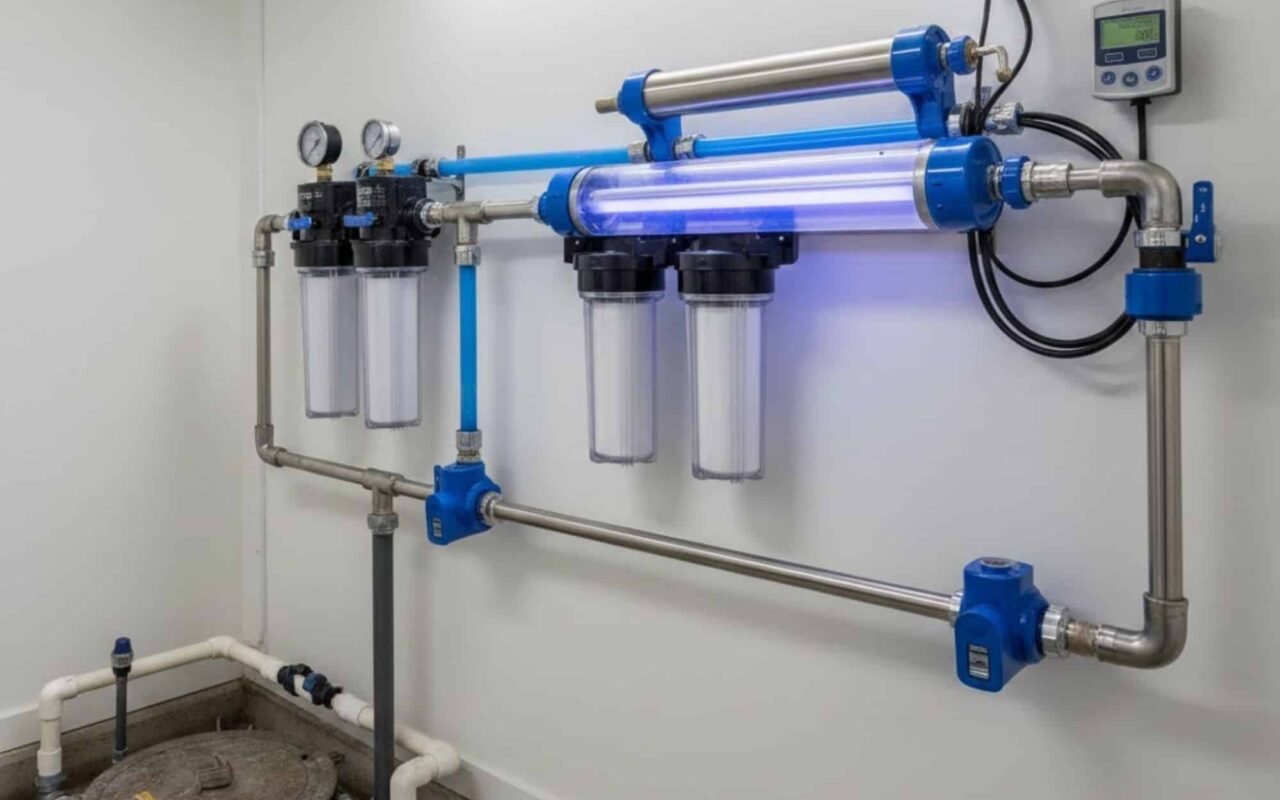
When testing identifies microbial concerns, uv water treatment may offer a suitable disinfection method by exposing flowing water to ultraviolet light that inactivates susceptible microorganisms under appropriate operating conditions.
Unlike chemical disinfection, this process doesn’t introduce a chemical disinfectant during treatment.
However, ultraviolet equipment requires adequate water clarity, suitable flow rates, electricity, and consistent maintenance.
Preliminary filtration may be necessary to reduce particles that could interfere with ultraviolet light transmission.
Investigating contamination sources and addressing underlying well problems remains equally important.
Understanding When Multiple Treatment Methods Make Sense
Well water rarely follows a predictable pattern. Sometimes, several issues appear together, making a single treatment method insufficient.
A household experiencing excessive hardness and iron staining might benefit from specialized iron reduction equipment alongside conventional water softening.
Sediment filtration can address suspended particles, while activated carbon may help reduce certain unwanted tastes and odors.
Additional technologies may be appropriate when laboratory testing identifies specific dissolved contaminants.
The order of these treatment stages matters. Suitable preliminary treatment can help protect downstream equipment and support overall system performance.
There’s no particular advantage in installing more components than your household genuinely needs. A thoughtfully designed system should address identified concerns without introducing unnecessary maintenance expenses.
Finding Equipment That Fits Your Everyday Routine
Water treatment equipment should make household life easier, not force you to rearrange your entire schedule.
Before choosing a system, consider how much water your family uses during busy periods. Multiple showers, laundry, and kitchen activities can create considerable demand at certain times of the day.
Equipment capacity, well pump performance, incoming pressure, and available installation space all deserve attention.
Maintenance accessibility is another practical consideration. You’ll eventually need to replace cartridges, replenish treatment materials, or arrange professional servicing.
Having enough room to complete these tasks comfortably makes a surprising difference.
A well-planned installation should complement your existing plumbing and household habits rather than becoming another source of frustration.
Keeping Your Well Water Treatment System Dependable
Installing treatment equipment is only part of responsible well ownership. Regular maintenance and testing are equally important.
Filtration media gradually lose effectiveness, ultraviolet lamps require periodic replacement, and protective sleeves may accumulate mineral deposits.
Follow manufacturer maintenance recommendations and keep track of servicing dates.
Arrange periodic laboratory testing, particularly after flooding, well repairs, or unexpected changes in water characteristics.
If microbial contamination is suspected, use a known safe alternative drinking water supply until appropriate testing and corrective measures confirm that the problem has been addressed.
Remember that improved taste, fewer stains, and clearer water don’t automatically establish drinking water safety.
Enjoying the Independence of Well Ownership With Greater Confidence
Having a private well shouldn’t mean accepting discolored laundry, unpleasant odors, or uncertainty about drinking water quality as unavoidable inconveniences.
Start with reliable testing, investigate underlying concerns, and choose treatment equipment with demonstrated capabilities that suit your property.
With appropriate treatment and consistent maintenance, managing your own water supply can become a considerably more rewarding experience.
After all, water is involved in nearly everything that happens at home. Taking a relaxing shower, preparing dinner, washing your favorite clothes, or simply enjoying a refreshing drink.
Looking after something so essential isn’t just another household responsibility. It’s a worthwhile investment in your family’s everyday comfort and well-being.