There’s a certain rhythm to laundry day. You sort the clothes, toss them in, add detergent, press start—and walk away without thinking twice. Washing machines are dependable like that. They do their job quietly in the background, cycle after cycle.
Until they don’t.
The moment something feels off—a strange sound, damp clothes at the end of a spin, water pooling at the bottom—you realize how much you rely on that machine. And suddenly, laundry day becomes problem-solving day.
The good news? Most washer issues start small. And if you catch them early, they’re usually fixable.
The Sound That Wasn’t There Before
Let’s talk about noise first. Washing machines aren’t silent, but you get used to their normal hum, swish, and spin. When that sound changes, it’s noticeable.
Grinding, banging, or persistent rattling can point to worn drum bearings, loose components, or unbalanced loads. Sometimes it’s as simple as an overloaded drum throwing things off balance. Other times, it’s something deeper.
Persistent unusual washer noises shouldn’t be ignored. A worn belt or failing motor left unchecked can lead to more significant damage. What starts as an irritating sound might end up costing far more if the underlying issue spreads.
If the machine starts shaking violently during spin cycles, that’s another red flag. Modern washers rely on suspension systems to absorb movement. When those systems wear down, performance drops quickly.
When the Water Won’t Go Away
One of the most frustrating washer problems? Opening the lid after a cycle and finding clothes still sitting in murky water.
Water not draining is a common complaint, and it can have multiple causes. A clogged drain hose is often the simplest explanation. Lint, small garments, or debris can block proper flow.
But drainage issues may also stem from a malfunctioning pump or a faulty lid switch. In some cases, electronic control boards fail to signal the drain cycle correctly.
If your washer consistently leaves standing water, it’s more than just inconvenient. Prolonged moisture can lead to mold growth inside the drum and hoses.
It’s worth addressing sooner rather than later.
When It Spins, But Doesn’t Spin Right
There’s a difference between a washer that spins and one that spins effectively. If clothes come out soaking wet, the spin cycle might not be reaching full speed.
This can be caused by motor problems, belt wear, or load imbalance detection errors. Modern washers often halt high-speed spinning if they detect uneven weight distribution.
Occasional imbalance is normal. But frequent incomplete spins suggest something mechanical may be wearing down.
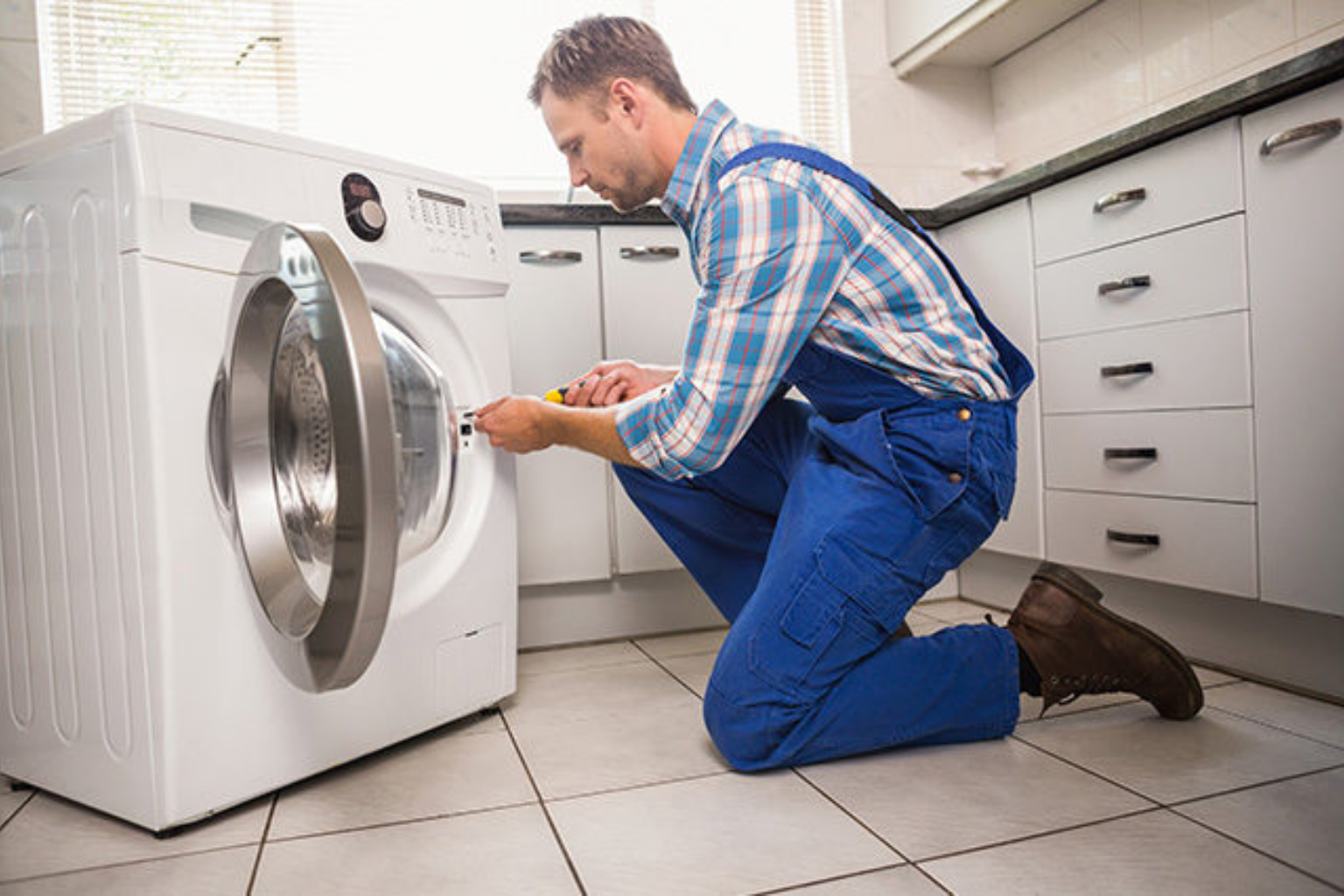
That’s when professional washer repairs become essential. A technician can inspect internal components, test motor performance, and confirm whether replacement parts are necessary.
Sometimes, it’s a relatively inexpensive fix. Other times, it’s a sign the machine is nearing the end of its lifespan.
The Role of Routine Maintenance
It’s easy to forget that washing machines need care too.
Cleaning the detergent drawer, running periodic cleaning cycles, and checking hoses for cracks all extend the life of your appliance. Hoses, in particular, should be inspected regularly. A small crack today can become a major leak tomorrow.
Also, avoid overloading the drum. It might feel efficient to cram everything in at once, but excessive weight strains internal components and shortens lifespan.
Think of maintenance like brushing your teeth. Small habits prevent larger problems.
Leaks and Water Damage Risks
A small puddle near your washer might not seem urgent. But leaks are often early signs of hose damage, loose connections, or worn door seals.
Ignoring leaks can damage flooring and subflooring, leading to costly repairs beyond the appliance itself.
If you notice consistent moisture beneath the machine, turn off the water supply and schedule an inspection. Water damage escalates quickly.
When to Repair and When to Replace
Homeowners often ask whether repair is worth it.
If your washer is under eight years old and the issue is isolated—like a pump or belt replacement—repair usually makes sense. However, older machines with repeated mechanical failures might not justify continued investment.
Energy efficiency also factors in. Newer washers often use less water and electricity, which can offset replacement costs over time.
A trusted technician will give you an honest assessment. No pressure. Just facts.
The Importance of Professional Diagnosis
While online tutorials can be helpful, modern washers contain complex electronics and sealed components. Guessing at repairs without proper tools can cause more harm than good.
Professional technicians diagnose systematically. They test circuits, inspect mechanical parts, and confirm error codes. That thoroughness prevents unnecessary part replacements.
And perhaps more importantly, it restores confidence.
Final Thoughts
Washing machines don’t usually fail overnight. They hint at trouble through noise, drainage problems, or incomplete cycles.
Paying attention to those signs makes all the difference.
With timely maintenance and professional attention when needed, most washer issues are manageable. And when the spin cycle hums smoothly again, laundry day feels ordinary—and that’s exactly how it should be.