Water is one of those quiet essentials we barely notice—until something changes. A strange aftertaste. A faint odor when you run the shower. Cloudiness in a glass that makes you hold it up to the light just to be sure.
Most of us assume our tap water is “good enough.” And often, it is. Municipal systems are designed to meet regulatory standards. But “meeting standards” and “feeling confident about what you’re drinking” aren’t always the same thing.
That’s where home filtration enters the conversation. Not as a dramatic overhaul, but as a thoughtful adjustment. A way to fine-tune what flows through your home every single day.
Why Generic Filters Don’t Always Solve the Problem
Walk through any hardware store and you’ll see shelves lined with filter pitchers, faucet attachments, and cartridge replacements. They promise better taste, cleaner water, peace of mind.
Sometimes, they deliver.
But here’s the thing: water quality varies widely depending on geography, infrastructure, and even the age of your plumbing. What works perfectly in one neighborhood might do very little in another.
That’s why custom filtration systems often make more sense. Instead of installing a generic solution, you start with a water test. You identify what’s actually present—hardness, chlorine levels, sediment, trace contaminants. Then you choose a system designed to address those specific concerns.
It’s a practical approach. Less guesswork. Fewer unnecessary upgrades.
The Quiet Importance of Efficiency
Not all filters are created equal. Some are designed for basic sediment removal. Others target chemicals, heavy metals, or dissolved solids. And then there’s flow rate—the balance between effective filtration and maintaining decent water pressure.
Homeowners often overlook how much design matters. Efficient filters don’t just trap impurities; they do it without slowing your water to a trickle or requiring constant replacement.
An efficient system protects appliances, improves taste, and reduces maintenance demands—all while blending into daily life. You shouldn’t have to think about it constantly. It should simply work.
That balance between performance and convenience is where good filtration stands out.
Beyond Taste: The Question of Safety
Let’s talk about the part people hesitate to bring up: safety.
Municipal water supplies are regulated. That’s reassuring. But contamination events—while rare—do happen. And older plumbing systems can introduce additional variables, like lead from outdated pipes.
Addressing water safety isn’t about fear. It’s about confidence.
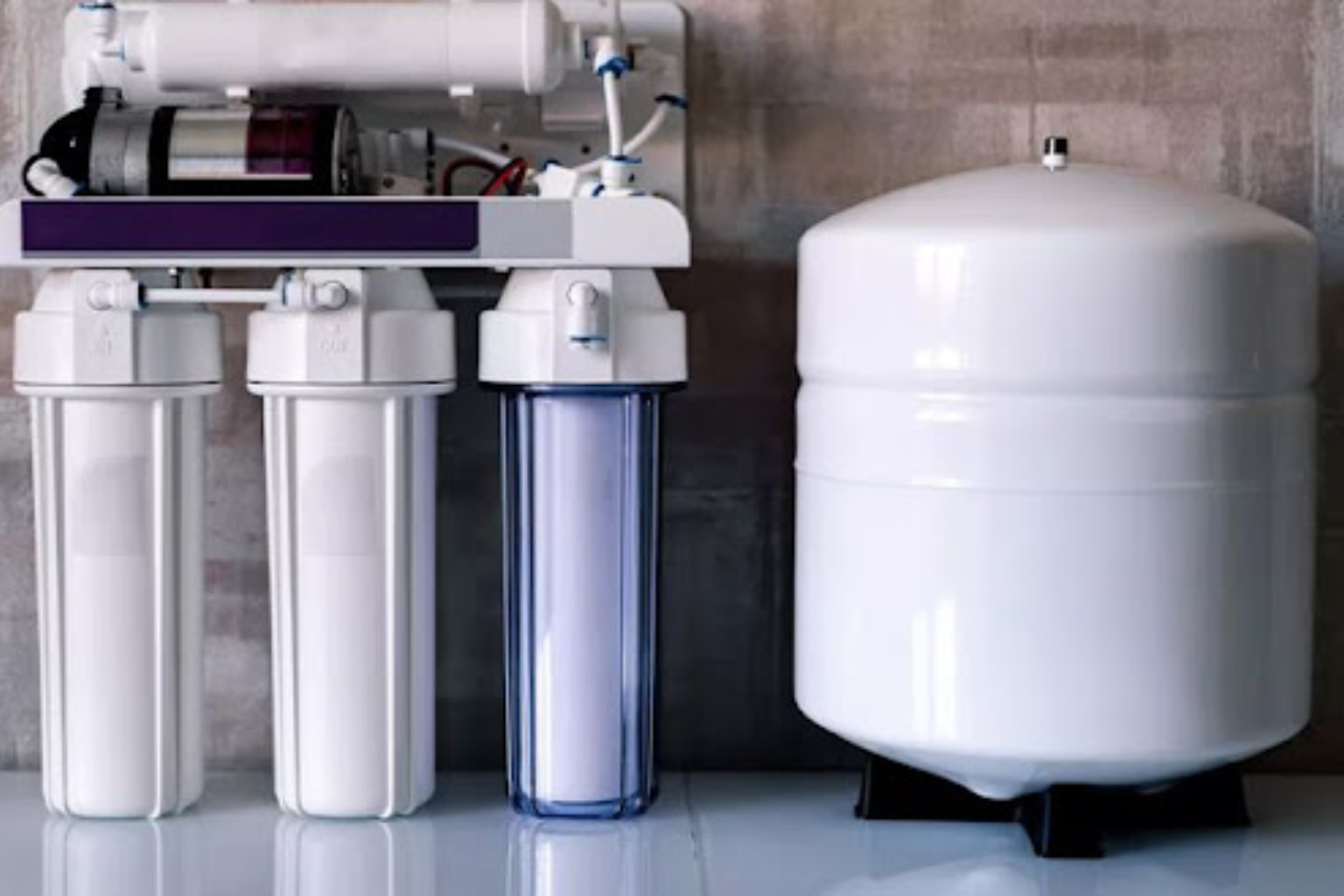
Advanced filtration options, such as carbon-based systems or reverse osmosis units, can reduce a broader range of contaminants. For families with young children, elderly residents, or health sensitivities, that added layer of protection feels worthwhile.
It’s not paranoia. It’s precaution.
And sometimes, peace of mind is just as valuable as the measurable improvements.
Whole-House vs. Point-of-Use: What Fits Your Life?
Filtration systems typically fall into two categories: whole-house and point-of-use.
Whole-house systems treat water at the main entry point, meaning every tap benefits. Showers, laundry, dishwashers—all use filtered water.
Point-of-use systems focus on specific taps, usually in the kitchen for drinking and cooking.
There’s no universal answer. A family concerned primarily about drinking water may find an under-sink system sufficient. A household dealing with heavy sediment or chlorine smell throughout the home might prefer whole-house filtration.
It comes back to lifestyle. And priorities.
Maintenance Isn’t Glamorous—But It’s Necessary
Any filtration system requires upkeep. Cartridges need replacing. Tanks need periodic checks. Ignoring maintenance reduces effectiveness and, in some cases, creates new problems.
Fortunately, modern systems are designed with ease in mind. Replacement schedules are typically predictable—every six months, once a year, depending on usage and water quality.
Think of it like changing your HVAC filter. Not exciting. But important.
Consistency keeps the system doing what it’s meant to do.
The Unexpected Benefits You’ll Notice
Once installed, improved filtration quietly reshapes daily life.
Coffee tastes cleaner. Ice cubes look clearer. Soap rinses off more completely. Even plants may thrive with reduced chemical exposure.
Appliances often perform better, too. Less sediment means fewer clogged valves. Reduced mineral content can decrease scaling in water heaters and dishwashers.
It’s not a dramatic transformation. It’s subtle refinement.
And subtle improvements often last the longest.
Starting with Knowledge, Not Assumptions
Before investing in any system, testing is key. A professional analysis reveals what your water contains and at what levels.
With real data, decisions feel grounded. You’re not reacting to vague concerns or marketing promises. You’re addressing specific conditions.
That’s where filtration becomes practical rather than impulsive.
A Thoughtful Investment in Everyday Comfort
Water flows through almost every part of your routine—morning showers, evening cooking, weekend laundry. Improving its quality isn’t about chasing perfection. It’s about enhancing comfort and reliability.
When your filtration system is tailored to your home’s needs, supported by efficient design, and maintained properly, it becomes invisible in the best possible way.
You stop noticing what used to bother you.
And sometimes, that’s the clearest sign you made the right choice.
Because clean water isn’t about luxury. It’s about living well—quietly, confidently, and without second-guessing what’s coming out of your tap.