Water is one of those everyday things that rarely gets much attention until something seems wrong. Maybe the tap water tastes different, the ice has an odd smell, or there’s a mysterious white ring around the kitchen faucet. None of these things are particularly dramatic, but they can make you wonder what’s really happening with the water your family uses every day.
Thankfully, improving household water quality doesn’t have to mean making your home complicated. A few practical choices, some useful testing, and the right technology can make a noticeable difference without turning water treatment into a full-time project.
Start With What You Already Have
Before buying any filtration or monitoring equipment, take a closer look at your existing water. Where does it come from? Is it municipal water or a private well? Have you noticed changes in taste, smell, color, or water pressure?
These details matter because every home has different water conditions. A solution that works perfectly for one household may do very little for another.
Testing is often the easiest way to replace assumptions with useful information. Once you know what you’re dealing with, choosing treatment becomes much less of a guessing game.
Why Bottleless Water Can Be Convenient
Many households and offices still rely on cases of bottled water because it’s familiar and easy. But bottles take up storage space, need to be carried, and eventually create a steady stream of plastic waste.
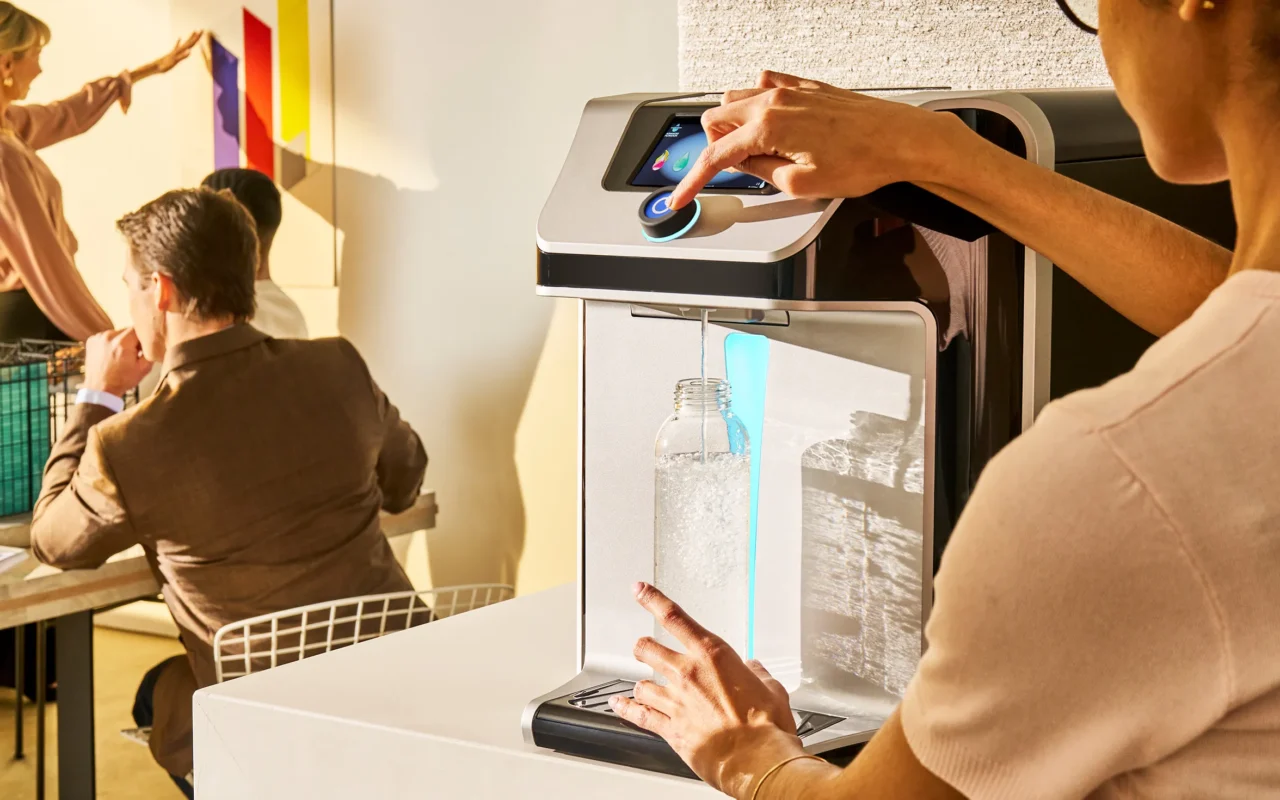
For homes and workplaces that go through a lot of drinking water, bottleless water coolers can offer a more convenient alternative. These units connect directly to a water supply and typically use filtration before dispensing drinking water.
There’s something nice about having chilled, filtered water available whenever you need it. No remembering to buy another case on the way home. No trying to find room for several bulky bottles in the pantry.
The exact filtration technology varies, so it’s still important to understand what a particular dispenser is designed to reduce.
Water Quality Isn’t Always Easy to See
One of the trickiest things about water is that problems aren’t necessarily visible. Water can look perfectly clear and still contain substances that you wouldn’t want to ignore.
On the other hand, a little cloudiness or mineral buildup doesn’t automatically mean the water is unsafe. Appearance alone doesn’t tell the complete story.
That’s why testing is valuable. It can provide a more useful picture of characteristics such as hardness, pH, minerals, bacteria, or other specific concerns, depending on the test.
The Value of a Simple Water Test
If you’re unsure where to begin, a free water test offered by a reputable water-treatment company can be a convenient first step.
However, don’t stop at the word “free.” Ask what the test actually measures. A basic screening can be helpful, but more detailed concerns may require laboratory analysis or specialized testing.
A good water professional should explain the results in straightforward language. You shouldn’t need a chemistry degree to understand why a particular treatment is being recommended.
Smart Technology Is Changing Home Water Management
Homes are becoming smarter in all sorts of ways. We have connected thermostats, security cameras, lighting controls, and appliances that can send notifications to a phone.
Water systems are joining that trend too.
Smart home water monitoring can give homeowners greater visibility into water use and unusual activity. Depending on the technology, a monitoring system may help identify changes in consumption or potential leaks.
That can be especially useful when nobody is home. A small leak under a sink might not seem urgent at first, but a hidden leak that continues for days can become an expensive problem.
Smart monitoring doesn’t replace regular plumbing inspections, but it can provide another layer of awareness.
Don’t Forget About Hard Water
Hard water is another common household concern. It contains minerals such as calcium and magnesium, which can gradually form scale.
You might see white deposits around faucets, cloudy spots on glassware, or buildup inside water-using appliances. Showerheads can become particularly annoying, collecting scale in places that are difficult to clean.
Water softeners can help address hardness, but homeowners should understand the difference between softening and filtration. A softener is designed primarily for hardness minerals, while a filter may target other water-quality concerns.
Sometimes a home needs one approach. Sometimes it needs a combination.
Choose Technology Based on Your Actual Needs
It’s easy to get carried away when looking at water-treatment products. Multi-stage systems, smart devices, dispensers, filters — there are plenty of choices.
But more equipment doesn’t automatically mean better water.
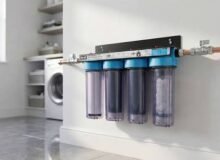
Start with the problem you’re actually trying to solve. If drinking-water taste is the main concern, point-of-use filtration might be enough. If scale is affecting the whole property, water softening may deserve attention. If you’re concerned about leaks or unusual usage, monitoring technology could be useful.
The best solution is usually the one that solves the right problem without creating unnecessary work.
Maintenance Still Matters
Even the smartest water system needs some human attention. Filters have to be replaced, equipment needs occasional cleaning, and monitoring devices should remain properly configured.
Create a simple maintenance schedule. Write down when filters were installed and when they’re due for replacement. Keep manufacturer information somewhere easy to find.
And pay attention to changes. If water suddenly tastes different, pressure drops, or a monitoring system sends an unusual alert, don’t simply dismiss it.
A Little Awareness Goes a Long Way
Better water doesn’t necessarily require a dramatic home upgrade. Sometimes it’s about making one smart change at a time.
Start by understanding your water. Test it when appropriate. Consider convenient options for drinking water, and use technology where it genuinely makes life easier. Most importantly, choose equipment based on actual water conditions rather than marketing promises.
Water is something your household depends on every day. With a little attention and the right tools, managing it can become surprisingly simple — and once everything is working properly, you can get back to the things that matter more.