
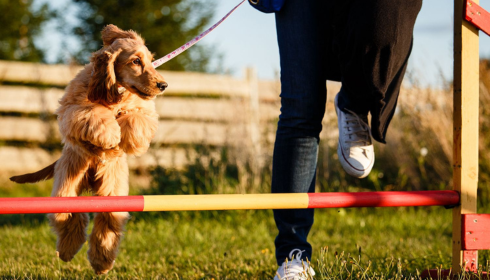
If you’ve ever watched dogs glide through tunnels, leap over jumps, and weave effortlessly through poles, you’ve probably wondered how they got there. The truth is, every confident agility dog starts with a strong foundation and that’s exactly what a beginner agility course is designed to build. At Rob’s Dog Training, we believe agility training should be safe, structured, and fun for both dogs and their owners, especially at the beginner level.
A well-designed beginner agility course helps dogs develop coordination, focus, and confidence without overwhelming them. More importantly, it strengthens the bond between you and your dog by teaching communication, trust, and teamwork from day one.
Why a Beginner Agility Course Matters
Agility training isn’t just about speed or competition, it’s about control, engagement, and confidence-building. Starting with a beginner agility course ensures your dog learns how to navigate obstacles safely and calmly before progressing to more advanced challenges.
Here’s what beginner-level agility training focuses on:
- Developing body awareness and balance
- Improving attention and responsiveness
- Teaching obstacle familiarity
- Encouraging problem-solving skills
- Strengthening handler-dog communication
Without proper foundational training, dogs can become confused, anxious, or even injured when introduced to agility equipment too quickly. Beginner courses help prevent these issues by using progressive learning techniques that allow dogs to succeed at their own pace.
What Dogs Learn in a Beginner Agility Course
Every dog regardless of breed, age, or size can benefit from agility training when it’s introduced correctly. A structured beginner agility course introduces essential skills in a controlled environment.
1. Basic Obstacle Introduction
Dogs are gradually introduced to foundational agility equipment such as:
- Low-height jumps
- Tunnels
- Pause tables
- Weave poles (introductory level)
- Contact obstacles like ramps
At this stage, the goal is not speed but confidence. Dogs learn that obstacles are safe, fun, and rewarding.
2. Directional Commands
Clear communication is essential in agility training. Beginner courses teach dogs to follow verbal and physical cues such as:
- “Over”
- “Through”
- “Around”
- “Wait”
- “Touch”
These commands create the framework needed for more advanced agility navigation later on.
3. Focus and Impulse Control
Agility environments can be exciting and distracting. A beginner agility course helps dogs remain calm and attentive even when they’re eager to move.
Training exercises often include:
- Controlled starts
- Target training
- Reward-based engagement drills
- Stationary focus exercises
These activities teach dogs how to wait for instructions rather than acting impulsively.
Benefits Beyond the Agility Course
Many dog owners enroll in a beginner agility course for fun but soon discover the training improves behavior in everyday situations as well.
Agility training helps with:
- Reducing destructive boredom behaviors
- Improving leash manners
- Increasing recall reliability
- Building confidence in shy or nervous dogs
- Managing excess energy in active breeds
Because agility training combines physical movement with mental stimulation, it provides a well-rounded outlet that basic walks alone often cannot achieve.
Is Your Dog Ready for a Beginner Agility Course?
Before enrolling in a beginner agility course, it’s important to determine whether your dog is ready for this type of structured training.
Your dog may be a good candidate if they:
- Can follow basic commands like sit and stay
- Are comfortable around new environments
- Show interest in play or movement-based activities
- Have no major mobility limitations
- Are motivated by treats or toys
Puppies, adult dogs, and even senior dogs can participate in beginner agility training when exercises are adapted to suit their physical abilities.
Common Mistakes First-Time Agility Handlers Make
Starting agility training can be exciting but beginners often make a few avoidable mistakes.
Moving Too Fast
One of the most common errors is rushing through obstacle training. Skipping foundational exercises may lead to confusion or hesitation later.
Using Equipment Improperly
Homemade or improperly set up equipment can create unsafe training conditions. Beginner agility courses ensure obstacles are adjusted to appropriate heights and difficulty levels.
Ignoring Mental Fatigue
Agility requires concentration. Short, structured sessions are far more effective than long, exhausting ones especially for beginners.
Inconsistent Communication
Dogs thrive on clarity. Using inconsistent commands or body language may cause hesitation during obstacle navigation.
How a Structured Beginner Agility Course Helps Build Confidence
Confidence plays a major role in agility success. Dogs who feel unsure about obstacles may refuse to participate or become stressed during training.
A professionally guided beginner agility course:
- Introduces challenges gradually
- Reinforces success through rewards
- Encourages exploration in a safe setting
- Builds trust between dog and handler
Over time, even hesitant dogs begin to approach new obstacles with curiosity rather than fear.
Beginner Agility Course Training Tips for Success
Whether you’re just getting started or planning to enroll soon, these tips can help you make the most of your beginner agility course experience.
Start with Low Expectations
Progress takes time. Focus on small improvements rather than perfect performance.
Keep Training Positive
Reward-based training methods help dogs associate agility with fun and success.
Practice Between Sessions
Reinforcing skills at home such as target training or directional commands helps maintain consistency.
Watch Your Dog’s Body Language
Signs of stress or hesitation may indicate it’s time to slow down or take a break.
Celebrate Small Wins
Confidence grows through repeated success, even on simple tasks.
Why Choose Professional Beginner Agility Training?
While DIY agility setups may seem appealing, professional instruction ensures your dog learns proper techniques from the start. A structured beginner agility course offers:
- Safe equipment setup
- Step-by-step progression
- Expert guidance
- Controlled training environments
- Behavior-focused instruction
Professional courses also help handlers learn effective timing, positioning, and communication skills that are just as important as obstacle navigation.
Build a Stronger Bond Through Agility Training
Agility training is one of the most engaging activities you can share with your dog. Working together to solve movement challenges strengthens communication and deepens trust.
Many owners find that participating in a beginner agility course leads to:
- Improved responsiveness
- Better off-leash reliability
- Increased enthusiasm during training
- Greater emotional connection
As your dog learns to rely on your cues and guidance, everyday interactions often become smoother and more cooperative.
Take the First Step with a Beginner Agility Course
Every advanced agility dog once started with the basics. A beginner agility course provides the tools, structure, and support needed to help your dog learn safely and confidently.
At Rob’s Dog Training, we’re committed to helping dogs and their owners build strong training foundations that last well beyond the agility field. Whether your goal is recreational fun or future competition, starting with beginner-level agility training sets the stage for long-term success.
If you’re ready to help your dog move with confidence, focus with clarity, and engage with purpose, enrolling in a beginner agility course could be the perfect next step in your training journey.

