
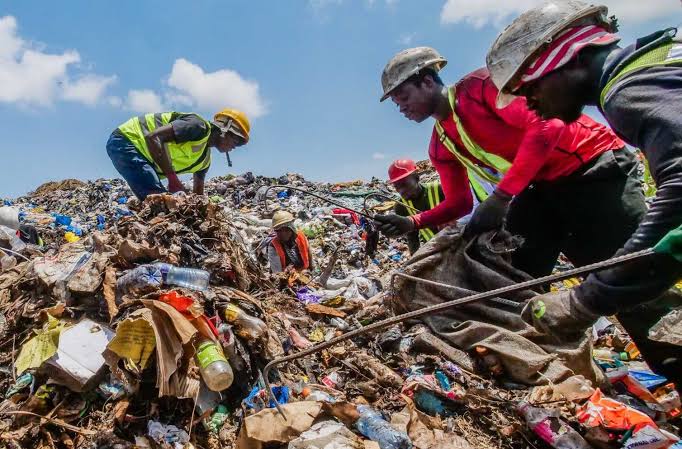
A clean neighborhood doesn’t happen by accident. Behind the well-maintained parks, tidy sidewalks, and regularly emptied garbage containers is a network of people, equipment, and carefully organized collection schedules. Most residents rarely think about these arrangements until something goes wrong.
Overflowing bins near a playground or discarded furniture along a public road can quickly change how people feel about their surroundings.
Dependable municipal dumpster and waste services help communities address these challenges through organized collection, appropriate disposal equipment, and practical waste removal strategies.
For towns and cities of all sizes, maintaining effective waste services is about more than appearance. It’s about creating comfortable public environments, supporting sanitation, and making responsible disposal accessible to everyone.
Understanding the Challenges of Community Waste Collection
Managing waste across an entire community is considerably different from collecting garbage at an individual property.
Residential neighborhoods, commercial districts, public buildings, and recreational areas each generate different types and quantities of waste.
Effective local government waste collection requires careful coordination between collection crews, service providers, municipal departments, and the residents who depend on these arrangements.
Population growth can introduce additional challenges. New housing developments may require expanded collection routes, while growing commercial areas might need more frequent service.
Even seasonal changes can influence waste generation. During summer festivals or holiday celebrations, public containers may fill much faster than usual.
Municipalities that anticipate these changes are better positioned to maintain dependable services without constantly reacting to unexpected problems.
Why Public Spaces Deserve Special Attention
Think about your favorite neighborhood park. Perhaps it’s somewhere you enjoy walking in the evenings or taking your children on weekends. Now imagine that same space surrounded by scattered packaging and overflowing garbage containers.
Suddenly, it doesn’t feel quite as welcoming.
Thoughtful public property waste management helps preserve shared spaces by providing accessible disposal containers, consistent collection schedules, and appropriate arrangements for removing larger quantities of unwanted materials.
Public parks, community centers, recreational facilities, and municipal buildings all benefit from organized disposal practices.
Container placement matters, too. People are more likely to dispose of garbage responsibly when suitable bins are conveniently located.
Regular inspections can also help identify damaged containers or areas requiring additional collection before waste accumulation becomes a persistent problem.
Using Temporary Dumpsters for Municipal Cleanup Projects
Regular garbage collection handles everyday community waste, but some projects require additional disposal capacity.
Neighborhood cleanup campaigns, public building renovations, landscaping improvements, and seasonal maintenance activities often generate substantial amounts of debris.
Temporary roll-off dumpsters provide a convenient way to manage approved materials throughout these projects.
Imagine a community cleanup event where dozens of volunteers spend Saturday morning collecting discarded materials. Without adequate disposal capacity, organizing everything afterward could become another demanding task.
Having suitable containers available allows participants to concentrate on the cleanup itself.
Municipal planners should consider expected waste volumes, material restrictions, container placement, and collection timing before arranging rentals.
These practical details help ensure that cleanup activities remain organized from beginning to end.
Making Waste Disposal More Accessible to Residents
Responsible disposal becomes considerably easier when residents have convenient options for getting rid of unwanted materials.
Ordinary household collection may not accommodate damaged furniture, large appliances, renovation debris, or significant quantities of yard waste.
Communities can address these challenges through designated drop-off locations, scheduled bulk waste collections, or special cleanup programs.
Clear communication is particularly important. Residents should know which materials are accepted, when collection takes place, and whether additional arrangements are necessary.
Potentially hazardous items, including batteries, chemicals, certain paints, and electronic devices, may require specialized handling.
Providing understandable disposal instructions can help reduce improper dumping while protecting collection workers and the surrounding environment.
Sometimes, people simply need a convenient alternative to make more responsible choices.
Balancing Waste Collection Costs With Service Quality
Municipal budgets face numerous competing demands. Road maintenance, public safety, recreational facilities, and infrastructure improvements all require financial resources.
Waste collection is another significant responsibility.
Managing these expenses effectively involves reviewing collection routes, equipment utilization, staffing requirements, and disposal costs.
For instance, some public containers may require daily collection, while others rarely reach capacity within a week.
Adjusting collection frequency according to actual demand can help reduce unnecessary operating expenses without compromising cleanliness.
When working with waste service providers, municipalities should prioritize transparent pricing, appropriate equipment, dependable scheduling, and responsive communication.
The lowest service price doesn’t necessarily represent the best long-term value, particularly if unreliable collections lead to additional cleanup expenses.
Encouraging Community Participation in Responsible Disposal
Municipal waste programs work best when residents understand their role.
Separating accepted recyclable materials, avoiding littering, and following collection guidelines are straightforward habits that can make a meaningful difference over time.
Community education initiatives can help residents understand which materials belong in different containers.
Local businesses can contribute by maintaining organized waste storage areas and encouraging responsible disposal among employees.
Schools, neighborhood associations, and volunteer groups may also support cleanup initiatives that strengthen community awareness.
These efforts don’t need to be particularly complicated. Sometimes, a neighborhood cleanup event or clearer recycling instructions can encourage lasting improvements in everyday disposal habits.
Creating Communities People Enjoy Calling Home
Effective municipal waste collection contributes to something much larger than empty garbage containers.
It supports welcoming neighborhoods, accessible public spaces, and a sense of pride among the people who live and work there.
By combining dependable collection services with suitable equipment, responsible disposal practices, and community participation, municipalities can address everyday waste challenges more effectively.
A cleaner community isn’t built through one ambitious cleanup project alone. It’s the result of consistent effort, thoughtful planning, and countless small decisions made by people who care about their surroundings.
And that’s something worth investing in, both for today’s residents and the generations who will call these communities home in the future.