
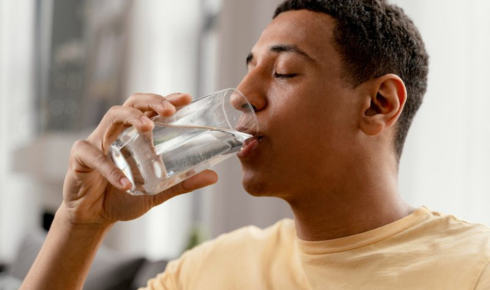
Water. It’s the one thing we all consume daily without much thought. You twist the tap, fill your glass, and down it without second-guessing — unless, of course, you’ve recently installed a water softener and someone warned you: “Hey, maybe don’t drink that stuff.” And now you’re wondering, wait, is that true? Well, let’s break it down together — honestly, casually, and with just the right amount of science to help you decide if you should sip or skip that softened water.
The Basics: What Even Is Soft Water?
Before we jump to safety concerns, let’s get clear on what we’re talking about. “Soft water” is water that’s had its mineral content — mostly calcium and magnesium — removed. These minerals make water “hard,” which sounds bad but isn’t dangerous. The real reason folks soften their water is to prevent scale buildup in pipes and appliances, and honestly, it can make soap work better and leave your skin feeling silkier. That’s a win.
Water softeners do this job through a process called ion exchange. Basically, they swap out the calcium and magnesium ions for sodium (or sometimes potassium) ions. That’s where the whole “should you drink it?” conversation starts — because now your water has sodium in it. Not a lot, but some.
So… Is It Safe to Drink Water From a Water Softener?
Here’s the short version: yes — for most people, most of the time.
Softened water is not “contaminated” or “toxic” in any conventional sense. The sodium added through softening is relatively minimal. We’re talking about 12.5 milligrams of sodium per 8-ounce glass if your water had a hardness of 10 grains per gallon — that’s way less than what’s in a slice of bread. Unless you’re on a strict low-sodium diet (say, for hypertension or kidney issues), the sodium content in soft water likely isn’t going to move the needle for you.
So, if you’re sitting there sipping a glass of softened water while reading this, relax. You’re not poisoning yourself. For the average healthy adult, is it safe to drink water from a water softener without losing sleep over it.
But Can Everyone Drink It?
Now this is where nuance enters the chat. The “can” and the “should” aren’t always the same thing.
For example, infants. Pediatricians often advise against giving softened water to babies, especially in formula. Their little kidneys aren’t ready to process extra sodium, and even small amounts can be a lot for them. Same goes for people with heart disease, high blood pressure, or kidney problems — if your doctor has told you to watch your sodium, then yeah, softened water might not be your best hydration buddy.
In that case, you might want to install a reverse osmosis (RO) filter under your sink for drinking water, which can strip out that added sodium and give you cleaner water overall.
But if you’re a generally healthy adult? You’re probably good to go.
A Taste You Can Feel
Let’s be honest — the way water tastes matters, too. And this is where things get interesting.
Softened water can taste a bit “flat” or even slightly salty depending on how hard your original water was and how your softener’s configured. Some people love it. Others… not so much.
In fact, a lot of people ask, “can you drink soft water?” not because they’re scared of it, but because it just tastes weird. It doesn’t have that crisp, mineral-rich bite that hard water offers. If you grew up drinking well water or spring water, you might notice soft water tastes… off.
This is why some homes use a bypass valve to keep the kitchen tap on untreated water — they use soft water for laundry, showers, and cleaning, but drink the hard stuff. Totally valid option.
The Bigger Question: Why Are You Softening It?
When someone asks “is water softener water safe to drink”, they’re often really asking if softened water is better or worse than hard water. But here’s the thing — both are fine to drink from a health standpoint. The bigger issue is how you’re using water in your home.
If your pipes were constantly getting clogged with mineral deposits, or if your skin felt like sandpaper after every shower, then softening your water made your home feel better. But if you’re now concerned about the sodium, or your morning coffee tastes funky, it’s okay to find a middle ground — like a dedicated drinking water filter or keeping your fridge stocked with filtered bottled water. No one said you had to be all-in or all-out.
Other Factors to Keep in Mind
Water quality varies wildly depending on where you live. Even before softening, municipal or well water can carry all kinds of minerals, chemicals, and biological matter. A water softener isn’t a purifier — it doesn’t remove chlorine, bacteria, heavy metals, or other nasty stuff. So if your area has questionable tap water, don’t expect softening to magically make it “clean.”
This is where layered filtration makes sense — pair your softener with a carbon filter or RO system, and you’re covering more bases.
And if you’re ever in doubt? Get your water tested. Many counties or hardware stores offer free or cheap testing kits. Knowing what’s in your water is always better than guessing.
Final Thoughts: Drink What Feels Right
Here’s the truth: your body is smart. If your water tastes strange or gives you dry mouth or bloating, you’ll probably notice. And if it doesn’t? You’re probably fine.
There’s no one-size-fits-all answer here. Health-wise, most people can drink softened water without concern. But if the idea makes you uncomfortable, or if you’re in a high-risk group (infants, elderly, certain medical conditions), just filter a portion of your water or use a bypass tap for peace of mind.
At the end of the day, drinking water should be simple, refreshing, and worry-free. Whether it’s hard, soft, filtered, or straight from the spring — if it’s clean and safe, drink up.
Just maybe don’t use the stuff from the garden hose. We’re not that relaxed.

