A home doesn’t become comfortable simply because the furniture is expensive or the walls have been freshly painted. Comfort often comes from smaller details—the light that falls exactly where you need it, the shelf that finally sits securely, the fixture that works without a fuss, or the repair you’ve been putting off for months.
These jobs may not feel exciting when you’re looking at a long weekend to-do list. But once they’re finished, you notice the difference almost immediately.
Good installation is really about making a home function properly. It’s about taking an ordinary space and adjusting it to the way people actually live in it. Sometimes that means a simple upgrade. Other times, it means calling someone who knows how to handle the job safely and neatly.
Why Professional Installation Can Be Worth It
There are plenty of household projects that look easy in a five-minute online tutorial. Then you start the real job and discover that your wall isn’t perfectly straight, the instructions are confusing, or the supplied hardware isn’t suitable for the surface.
That’s where handyman installation services can be useful.
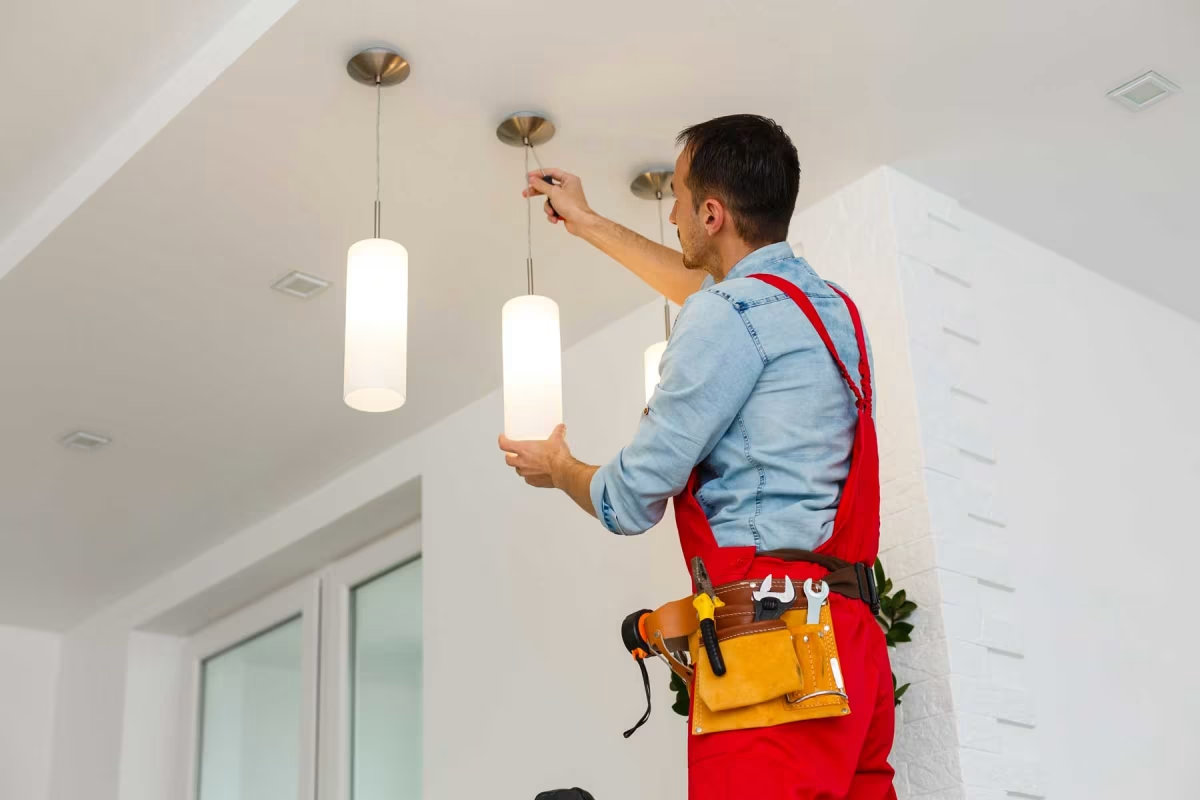
A skilled handyman can handle a range of practical household projects, from assembling furniture and mounting fixtures to installing hardware and completing minor improvements. The biggest advantage isn’t simply saving time. It’s having someone who understands how different materials, tools, and structures behave.
Of course, larger specialist jobs may require licensed tradespeople. Electrical, gas, structural, and major plumbing work shouldn’t be treated as casual DIY projects.
Think About the Room Before the Product
One common mistake is choosing the product first and figuring out where it goes afterward.
It works better the other way around.
Look at the room. Consider the available wall space, nearby outlets, natural lighting, furniture placement, and how people move through the area.
For example, a beautiful wall-mounted fixture might look great in a showroom but be awkward if it blocks a cabinet or sits where people constantly bump into it.
Good home installations begin with planning. Measurements, access, surface conditions, and the purpose of the installation should all be considered before drilling the first hole.
Lighting Can Change the Entire Feel of a Room
Lighting is one of those things people tend to underestimate.
A room can have lovely furniture and still feel uncomfortable if it’s poorly lit. On the other hand, a relatively simple room can feel warm and inviting with the right lighting.
When choosing lighting fixtures, think about what the room is used for.
A kitchen needs useful task lighting. A reading corner may benefit from focused illumination. Bedrooms often work better with softer, adjustable light. Hallways need enough brightness for safe movement without necessarily being intensely lit.
Layering different types of lighting can also help. Instead of relying on one bright ceiling light, combine overhead lighting with lamps, wall fixtures, or under-cabinet illumination where appropriate.
It gives you more control over the mood and function of the space.
Measure Twice, Install Once
It sounds like an old cliché, but measuring carefully saves an astonishing amount of trouble.
Before installing anything, check the dimensions of the product and the space. Look at mounting points and make sure the surface can support the item.
For heavier objects, identify the appropriate structural support. Don’t assume that any wall can safely hold anything simply because a drill can make a hole in it.
If you’re working near electrical wiring or plumbing, extra caution is essential.
A little preparation can prevent a surprisingly expensive mistake.
The Finish Matters as Much as the Installation
An installation isn’t really finished just because the item is attached to the wall.
Look at the details.
Is it level? Are the fasteners secure? Are cables tidy? Is the surrounding surface damaged? Does the fixture operate correctly?
These checks may take only a few minutes, but they can make a professionally completed job look much better.
Good installers also protect the surrounding area while working and clean up afterward. Nobody wants to find packaging, dust, screws, and leftover materials scattered around the room after the technician leaves.
Safety Should Always Come First
Home improvement is satisfying, but it isn’t worth taking unnecessary risks.
Use appropriate ladders and tools. Follow manufacturer instructions. Don’t overload mounting hardware. Keep electrical connections within appropriate safety standards.
If a project involves a system you don’t understand, stop and get professional advice.
This is particularly important for electrical installations. A fixture may look simple from the outside, but wiring problems can create serious safety hazards.
Knowing when not to proceed is a useful home-improvement skill in itself.
Think About How You’ll Use the Space Later
A good installation should work today without creating a headache tomorrow.
If you’re adding storage, leave sensible access to nearby areas. If you’re installing lighting, consider whether furniture might eventually move. If you’re mounting equipment, think about future cable changes or upgrades.
Homes evolve.
A room used as a home office today might become a nursery later. A television area may eventually include gaming equipment or additional speakers. Planning with a little flexibility can make future changes easier.
You don’t have to predict everything. Just avoid making the setup unnecessarily difficult to modify.
Choosing a Professional
If you’re hiring someone, don’t base the decision entirely on the lowest quote.
Ask what experience they have with the type of work you need. Check whether the service includes materials, cleanup, or follow-up adjustments. Reviews can also provide useful insight into punctuality, communication, and workmanship.
A good professional should be willing to explain the work in plain language.
You shouldn’t feel embarrassed about asking questions. It’s your home, after all.
Small Improvements Add Up
The beauty of practical home improvement is that it doesn’t require one massive project.
Install a better light. Mount the shelf you’ve been avoiding. Replace an awkward fixture. Improve a workspace. Fix the small things that quietly annoy you every day.
Over time, those changes make a home feel more considered.
And perhaps that’s the real value of good installation work. It isn’t about showing off a renovation. It’s about creating a home that supports your routines, feels comfortable, and works the way you need it to.
When an installation is done properly, you usually stop noticing the work itself. You simply enjoy the result.
That’s the sweet spot—a home where the practical details quietly do their job, leaving you free to get on with living.