
Hot showers. We don’t talk about them enough. That perfect stream of steamy water on a cold morning is something you don’t realize you love until it’s gone. And when it’s gone? Oh boy—you feel it. Especially in the dead of winter, when your water decides to go from cozy to Arctic in seconds.
We’ve all been there. You step in, expecting that warm hug from your shower head, only to get blasted by something that feels like it melted straight off an iceberg. That moment is your water heater crying for help—or flat-out quitting on you.
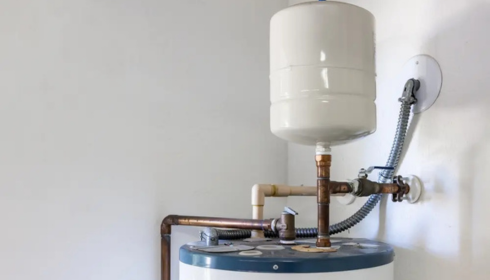
So, let’s talk about it. The unsung hero humming away in your garage, closet, or basement: your water heater.
When Silence Means Trouble
For years, mine made this low, reassuring rumble. It wasn’t loud, just a little sound to let me know it was alive and doing its thing. Until one day… silence.
I brushed it off at first. Maybe it was just being shy that day. But then the water turned lukewarm, and before I knew it, I was boiling pots on the stove just to take a “proper” bath. That’s when I called in the pros. And that’s when I really understood the world of water heater services.
Not all issues need a replacement. Sometimes, it’s just a thermostat tweak. Other times, a little sediment cleanup does the trick. But unless you’re one of those rare DIY ninjas who can confidently unscrew a heating element while balancing a flashlight in your teeth, it’s best to let a certified tech handle it.
Gas Isn’t Just for Stoves
Now, here’s where it got interesting. Turns out, my old heater was gas-powered. I never thought twice about it. It came with the house, and I treated it like background noise. But once it broke down, I had to understand what made it tick—or hiss, more accurately.
Gas water heaters have this clever setup where natural gas burns beneath a tank to heat the water inside. Simple. Efficient. And when it works, it works fast. The water gets hot quickly, and stays that way for a good while, which is why so many households (mine included) swear by them.
The flip side? They do need proper ventilation. And regular inspection. Because gas, while efficient, isn’t something you want to mess around with. A little leak can turn into a big problem real fast. That’s why choosing a good technician isn’t just smart—it’s essential.
Electric Isn’t the Enemy
After the inspection, I was offered a choice: repair the gas model or switch to electric. At first, I hesitated. I mean, electric? Isn’t that… slower? Less “real”? That was the stubborn part of me talking—the one that clings to old tech like it’s a badge of honor.
But then I looked at the data. Electric water heaters have come a long way. They’re clean, quiet, and don’t require ventilation. Plus, with the right setup (like a solar-powered home), they can be surprisingly cost-effective. And safer—no gas lines, no risk of combustion, and fewer moving parts.
I stuck with gas in the end (what can I say, I’m loyal), but I walked away with respect for the electric option. If I had a smaller space or lived somewhere more remote, electric would be a no-brainer.
Signs Your Water Heater’s Giving You the Cold Shoulder
Okay, so how do you know when your heater’s acting up? Beyond the obvious (you know, no hot water), here are a few signs:
- Water smells metallic or rusty
- Strange popping or rumbling noises
- Leaks around the base
- Water takes forever to heat—or runs out way too fast
- Temperature fluctuations (one minute it’s fine, the next it’s lava)
If any of these sound familiar, it’s probably time to call in a pro. Not everything is catastrophic, but even small issues can become expensive if ignored.
The Tank vs. Tankless Debate
While we’re here—let’s talk about tanks. Traditional water heaters store hot water in a big insulated tank. Tankless ones, as the name suggests, heat water on demand. No storage, no standby heat loss.
People love tankless for their efficiency and compact size. But they do come with a higher upfront cost, and sometimes struggle to keep up with simultaneous demand (like multiple showers running at once).
Traditional tanks, meanwhile, are reliable and generally cheaper to install. They just take up more room and eventually run out of hot water if you’re not careful.
Neither is “better” across the board. It really depends on your household’s size, habits, and budget.
Maintenance: The Chore That Saves You Thousands
Here’s something most folks don’t do—but should: flush your tank annually.
Yeah, it’s not glamorous, but sediment builds up over time, especially if your water is hard. That gunk settles at the bottom of the tank and makes the heater work harder to do its job. Which means higher bills, lower efficiency, and a shorter lifespan.
Add to that a quick check on the anode rod (the unsung warrior that prevents rusting), and you’re golden.
Regular maintenance doesn’t just prevent breakdowns—it keeps your water cleaner and your heater running smoother, longer.
What It’s Like to Replace One
Let me tell you, the day my new heater arrived was weirdly emotional. It felt like saying goodbye to an old friend and meeting someone new at the same time. The install team was in and out within a few hours. No fuss. No mess. Just solid, professional work.
The best part? That first hot shower. You don’t realize how much tension you carry from freezing water until you stand under a steady, steaming flow and feel it melt away.
It’s more than plumbing—it’s peace of mind.
In Closing: Don’t Take the Heat for Granted
We talk about roofs, we talk about air conditioning, but hot water rarely gets its spotlight. Until it’s gone. And when it is, everything from bathing to washing dishes turns into a mission.
Whether you’ve got an old-school tank or are eyeing a sleek, tankless upgrade, it’s worth taking your water heater seriously. Pay attention. Listen for sounds. Watch for leaks. And when in doubt, call a pro.
Your future self—warm, clean, and completely unbothered—will thank you.

