
Let’s be honest—most of us take water for granted. It pours out of our taps, fills our kettles, and washes our dishes without a second thought. But if you’ve ever noticed a funky taste, a bit of cloudiness, or a limescale build-up on your appliances, your water might not be as “clean” as it seems. The good news? You’re not helpless. With a little know-how (and the right gear), you can take charge of your water quality.
The Water Problem No One Talks About
Even if your tap water is technically “safe,” that doesn’t mean it’s ideal for everyday use. Municipal water supplies often contain chlorine, sediment, heavy metals, and other residuals from outdated pipelines. In some areas, agricultural runoff and industrial waste sneak into the mix. Ever had that metallic aftertaste in your tea or noticed a skin reaction after a shower? Yep, those could be signs something’s off.
Water may pass regulations, but that doesn’t make it pristine.
And here’s the kicker—many of us are unknowingly consuming and bathing in water that’s carrying invisible baggage. Your body, your skin, your appliances—they all feel the impact over time.
Enter Water Filtration Systems
So what’s the fix? Investing in water filtration systems is a smart place to start. These aren’t just fancy gadgets for the overly cautious—they’re real solutions for real problems. Whether it’s filtering out chlorine, reducing hard minerals, or eliminating microscopic contaminants, a good system can radically change the quality of water in your home.
Some systems fit neatly under your sink and focus just on drinking water, while others are designed to handle every drop entering your home. The choice depends on your needs, your budget, and the type of water you’re dealing with.
And yes, you’ll taste the difference—literally.
Why Reverse Osmosis is a Game-Changer
Among all the techy-sounding solutions, reverse osmosis (or RO, for short) has carved out a solid reputation. It’s not some new-age invention—it’s been around for decades, and for good reason.
Here’s how it works in plain English: RO systems push water through a semi-permeable membrane, stripping away nearly all contaminants, including lead, fluoride, nitrates, and even some bacteria. What you get is ultra-pure water that’s crisp, clean, and refreshingly neutral in taste.
It’s the kind of water you want to drink, cook with, or mix into your baby’s formula. And unlike those jug filters you forget to replace, RO systems do the heavy lifting behind the scenes—quietly, consistently, and efficiently.
Yes, installation costs a bit. But the long-term payoff? Huge.
Whole House Filters: The All-In Solution
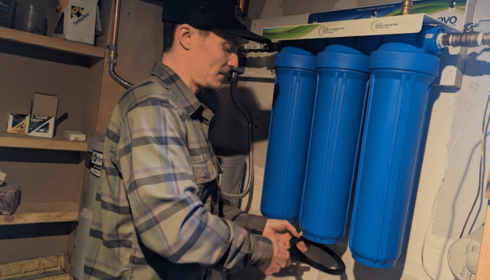
If you’re serious about your water—like really serious—you might want to think bigger. Whole house filters go beyond your kitchen sink and tackle water at the point of entry into your home. That means every tap, every showerhead, and every washing machine gets the benefit.
Why does this matter? Because what touches your skin is just as important as what goes into your mouth.
Chlorine, for example, can dry out your skin and hair. Sediment can clog up appliances. Iron and sulfur can leave nasty smells and stains. With a whole-house system, you’re basically giving your entire home a water makeover. Imagine not having to buy bottled water again or never dealing with that itchy post-shower feeling.
It’s like upgrading from dial-up internet to fiber—once you experience the difference, there’s no going back.
But… Are They Worth the Money?
Ah, the elephant in the room: cost. No doubt, these systems can feel like a splurge. But think of it this way—how much are you spending on bottled water each year? On replacing appliances damaged by hard water? On skincare or hair products trying to “reverse” the damage done in the shower?
A good filtration system is an investment. It pays off in fewer repairs, better health, and peace of mind. Plus, it’s one less thing to stress about in a world full of unpredictable variables.
Also, many of these systems are more affordable than you might expect—especially when you factor in their lifespan and the savings they bring.
Choosing What’s Right for You
This isn’t a one-size-fits-all game. Some households only need a basic under-sink filter. Others might benefit from a dual system—a whole-house filter combined with an RO unit for drinking water.
Here’s a quick breakdown:
- Budget-conscious? Go with a countertop or faucet-attached filter. They’re simple and decent for chlorine and taste.
- Health-focused? RO systems are unbeatable for purity.
- All-in comfort? Whole-house filters bring luxury and long-term protection.
A bit of water testing can help you decide. Many companies offer home test kits or even free consultations. Don’t guess—know.
You Deserve Better Water
At the end of the day, water is one of those foundational things that affect nearly every part of your life. You cook with it, clean with it, and—most importantly—your body runs on it. So why settle for “just okay”?
Whether you’re in a city with questionable plumbing or a rural area pulling from a well, upgrading your water setup is one of those changes that instantly improves quality of life.
Seriously, once you’ve had a week of filtered water, you’ll wonder how you ever lived without it.
Final Thoughts
Getting picky about your water isn’t a trend—it’s a lifestyle shift. And it doesn’t have to be overwhelming. Start small if you need to. Ask questions. Do a little research. Talk to others who’ve made the switch.
The point is: better water isn’t out of reach.
It’s literally already flowing into your home. You just need the right tools to make the most of it.
So, whether you’re eyeing that sleek reverse osmosis unit or considering a full-scale whole house filter, know this—your health, your family, and even your morning coffee will thank you for it.
And hey, there’s nothing quite like a glass of crystal-clear water to remind you that sometimes, the little things really do matter most.

