
Water often looks perfectly fine when it comes out of the tap. It appears clear, has no obvious particles, and seems ready to drink or use. But sometimes, the problems affecting water quality are hidden from plain sight. Tiny pieces of dirt, rust, sand, and other materials can travel through plumbing systems and impact the way water looks, tastes, and performs.
For homeowners, these small issues can create bigger frustrations over time. Stains on sinks, clogged fixtures, cloudy water, and reduced appliance efficiency are common signs that unwanted materials may be present. This is where proper filtration becomes valuable.
Rather than waiting for visible problems to appear, many families are taking a proactive approach to improving their water quality. Understanding how filtration works and why certain solutions are needed can help homeowners make smarter decisions for their homes.
What Causes Sediment in Household Water?
Sediment refers to small solid materials that can enter a water supply through different sources. These materials may come from natural groundwater conditions, aging municipal pipes, construction activity, or corrosion inside plumbing systems.
Common examples include sand, clay, dirt, rust flakes, and other physical debris. While these materials may not always create immediate health concerns, they can affect water quality and damage household equipment over time.
When sediment builds up, it can create several inconveniences. Showerheads may become blocked, faucets may lose pressure, and appliances like washing machines or water heaters may experience unnecessary wear.
Understanding the source of sediment is the first step toward choosing the right solution.
The Role of Sediment Filtration in Better Water Quality
A good filtration system works by capturing unwanted materials before they spread throughout your home. Sediment filtration is specifically designed to remove physical particles from water, creating cleaner and clearer water for everyday use.
These filters act as a protective barrier, trapping larger materials before they reach faucets, appliances, and other water outlets. This not only improves water appearance but also helps protect the plumbing system.
For homes using well water, sediment filtration can be especially useful because groundwater may naturally contain higher levels of sand, minerals, or soil particles. However, even city water users can benefit depending on their local supply conditions.
How Sediment Filter Systems Work
Different filtration systems use different methods depending on the type and size of particles they need to remove. Some filters use mesh screens, while others rely on specialized materials designed to capture fine debris.
Modern sediment filter systems are available in various sizes and designs, allowing homeowners to choose options based on their water usage and specific concerns.
For example, a home with occasional sediment issues may need a basic filter, while another property with heavy debris problems may require a more advanced solution. The right choice depends on factors such as water source, household size, and plumbing setup.
A properly selected system can improve water quality while reducing maintenance problems throughout the home.
Protecting Your Plumbing and Appliances
Many homeowners think about filtration only in terms of drinking water, but sediment affects much more than just what comes from the kitchen faucet.
Small particles can collect inside pipes, reduce water flow, and interfere with appliances that rely on water. Over time, this buildup may shorten the lifespan of expensive equipment.
Water heaters, dishwashers, washing machines, and filtration systems themselves can all benefit from cleaner incoming water. By reducing sediment before it travels through the home, homeowners can help prevent unnecessary repairs and improve efficiency.
It is a simple improvement that can have long-term benefits.
The Importance of Removing Suspended Particles
Not all water contaminants are easy to notice. Some materials remain floating in water as tiny pieces that are too small to see clearly. These suspended particles can affect water clarity and overall quality.
A properly designed filtration system helps capture these materials, making water look cleaner and perform better. This is especially important for homeowners who want consistent water quality throughout their daily routines.
Clear water is not always a guarantee of perfect quality, but reducing visible and invisible particles is an important step toward better water management.
Choosing the Right Sediment Filter for Your Home
Every home has different water conditions, so there is no universal filtration solution. Before installing a system, homeowners should consider several important factors:
- The source of their water supply
- The amount and type of sediment present
- Household water consumption
- Available installation space
- Maintenance requirements
A water test can provide useful information about what is actually present in the water. This prevents homeowners from choosing a filter based on assumptions.
A professional assessment can also help determine whether sediment filtration alone is enough or if additional treatment options are needed.
Maintaining Your Filtration System
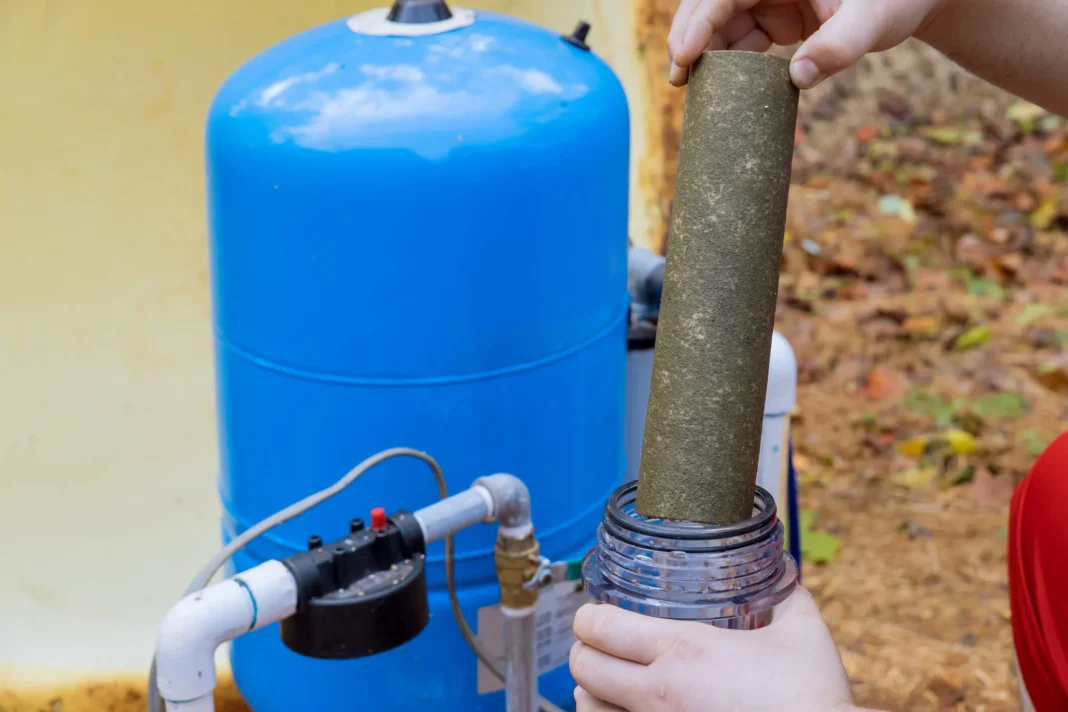
Like any home equipment, sediment filters require regular attention. Over time, trapped particles accumulate and reduce the filter’s ability to work effectively.
Replacing filters according to recommended schedules helps maintain performance and protects the rest of the plumbing system. Ignoring maintenance can lead to reduced water pressure and less effective filtration.
Fortunately, most modern systems are designed to make maintenance simple. Regular checks and timely replacements can keep the system operating smoothly for years.
A Small Upgrade With Big Benefits
Water quality improvements do not always require major changes. Sometimes, a simple filtration upgrade can solve everyday frustrations and protect valuable household equipment.
Sediment filtration provides an effective way to reduce unwanted particles, improve water clarity, and create a more reliable water supply. Whether you are dealing with well water challenges or concerns about your home’s plumbing, the right filter can make a noticeable difference.
Cleaner water means fewer problems, better performance, and greater confidence in what flows through your home. With proper selection and maintenance, sediment filtration becomes a practical investment that supports a healthier and more comfortable living environment.

