Most people don’t spend much time thinking about their plumbing when everything is working properly. Water comes out of the tap, the shower drains, and the washing machine gets through another load. It’s only when a pipe starts leaking under the sink or water begins pooling in the basement that plumbing suddenly becomes the most important thing in the house.
The trouble is that small plumbing issues don’t always stay small. A slow drain can become a stubborn blockage, a dripping connection can damage a cabinet, and a minor leak may quietly affect walls or flooring before anyone notices. Understanding how the different parts of a home’s plumbing work makes it easier to recognize warning signs, handle simple maintenance, and know when it’s time to call a professional.
Why a Healthy Plumbing System Matters
A home’s plumbing system does much more than deliver water. It carries wastewater away, maintains reliable drainage, and helps protect the building from moisture damage. When something goes wrong, the effects can reach beyond inconvenience. Persistent leaks may encourage mold growth, while damaged pipes can waste water and increase utility bills.
Regular inspections are a practical way to catch trouble early. Look beneath sinks for damp spots, check exposed pipes for corrosion, and pay attention to unexplained changes in water pressure. If a water bill suddenly increases without a change in household use, a hidden leak could be responsible.
Not every problem requires an emergency visit, but recurring symptoms deserve attention. A drain that repeatedly clogs, for instance, may have a deeper obstruction rather than simply needing another round of drain cleaner. Chemical products can also damage some pipes or create hazards when mixed, so it’s wise to follow product instructions carefully and avoid experimenting with different cleaners.
A little observation goes a long way. Plumbing systems rarely fail without giving some indication that something has changed.
Protecting Your Home From Basement Water
Basements can be useful spaces for storage, laundry, workshops, or family activities. Unfortunately, they can also be vulnerable to water entering during heavy rainfall, snowmelt, or groundwater changes. Even a modest amount of water can ruin stored belongings and damage flooring, drywall, and electrical equipment.
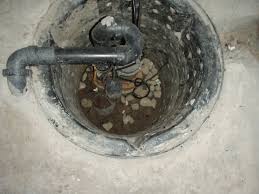
In homes where water intrusion is a concern, sump pumps can provide an important layer of protection. A sump pump collects water in a designated pit and pumps it away from the foundation to an appropriate discharge location. When the water level rises, a float switch or other control activates the pump, helping prevent water from accumulating in the basement.
However, installing a pump isn’t a guarantee against every type of flooding. The system needs to be correctly sized, properly discharged, and maintained according to the manufacturer’s recommendations. Homeowners should periodically check for debris in the sump pit, inspect the discharge line, and confirm that the pump activates as expected.
Power outages present another challenge because many pumps rely on electricity. Depending on the home’s flood risk, a battery backup or another suitable backup arrangement may be worth considering. It’s also important to direct discharged water away from the foundation without creating drainage problems for neighboring properties.
If basement water appears repeatedly, investigate the underlying cause rather than relying on the pump alone. Poor grading, clogged gutters, foundation cracks, or drainage issues may need attention as part of a broader solution.
Keeping Kitchen Plumbing Working Smoothly
The kitchen is one of the hardest-working areas of a home. Between cooking, washing dishes, cleaning produce, and running appliances, its plumbing handles frequent daily use. That constant activity makes it especially important to develop a few good habits.
Well-maintained kitchen plumbing starts with what goes down the drain. Grease and cooking oil may flow easily while warm, but they can cool and solidify inside pipes. Over time, they trap food particles and contribute to blockages. It’s better to let grease cool in a suitable container and dispose of it with household waste according to local guidance.
Food scraps also deserve a little thought. Even when a sink has a garbage disposal, fibrous vegetables, large quantities of starchy food, bones, and other unsuitable materials may cause problems depending on the appliance. Follow the manufacturer’s recommendations instead of assuming everything can be ground up safely.
Leaks beneath the sink are another common nuisance. The cabinet may conceal loose connections, worn seals, or a damaged supply line. Check the area occasionally, especially after installing a new faucet or replacing a dishwasher. If you notice moisture, identify the source promptly rather than placing a towel underneath and hoping it disappears.
Slow drainage can result from accumulated grease, food debris, or a blockage farther along the pipe. A simple strainer and sensible disposal habits can prevent many problems, but repeated clogs may require professional inspection.
Making Bathrooms Safer and More Reliable
Bathrooms combine water, heat, and enclosed spaces, so even a small plumbing fault can have noticeable consequences. A leaking toilet may waste substantial amounts of water over time, while a dripping shower connection can gradually damage tile joints or surrounding materials.
Reliable bathroom plumbing begins with paying attention to changes. If a toilet continues running long after flushing, its internal valve or flapper may need adjustment or replacement. If the shower suddenly loses pressure, the cause could be a clogged showerhead, a supply issue, or a problem elsewhere in the plumbing system.
Drainage is another area worth watching. Hair, soap residue, and personal care products can collect inside bathroom drains. Using a drain cover and removing visible debris regularly can help reduce buildup. If several fixtures begin draining slowly at the same time, however, the problem may be in a shared drain line rather than in an individual sink or shower.
Water temperature also matters. A water heater that produces inconsistent temperatures, unusual noises, or visible leakage should be checked by a qualified professional. Avoid attempting repairs involving gas connections or electrical components unless you have the appropriate training.
Good ventilation helps, too. Although it isn’t a plumbing repair, a working bathroom exhaust fan reduces excess moisture and helps protect paint, cabinetry, and other surfaces from persistent dampness.
When It’s Time to Call a Professional
Some maintenance tasks are manageable for homeowners, such as cleaning a faucet aerator, checking exposed connections, or replacing a showerhead. More complicated work calls for experience and the correct tools.
Call a plumber when a leak cannot be located, a drain keeps blocking, water pressure changes significantly, or wastewater begins backing up. A burst pipe, sewage backup, or uncontrolled leak requires prompt action. If water is near electrical outlets or equipment, keep clear of the affected area and seek appropriate professional help.
Before hiring someone, explain the symptoms clearly and ask about inspection fees, labor costs, and whether replacement parts are included in the estimate. A dependable plumber should explain the problem, outline practical options, and help you understand what needs immediate attention versus what can be scheduled later.
Small Habits That Prevent Bigger Headaches
Plumbing care doesn’t have to become another full-time household responsibility. A quick monthly check beneath sinks, sensible disposal habits, and occasional inspection of exposed pipes can catch many issues early. Knowing where the main water shutoff valve is located is especially useful when a leak occurs unexpectedly.
Keep records of significant repairs and appliance installations. Those details can help identify recurring issues and make future maintenance easier. If your home has older pipes, frequent leaks, or a history of basement flooding, a professional assessment may be worthwhile.
Ultimately, dependable plumbing comes from a combination of good habits, timely repairs, and understanding the limits of do-it-yourself maintenance. The goal isn’t to eliminate every possible problem; that’s rarely realistic. It’s to recognize trouble early, protect your home from avoidable damage, and make informed decisions when something needs attention.
A few minutes spent checking a pipe or clearing a drain may not feel like much, but those small efforts can save considerable time and expense later. And when the plumbing does need expert care, acting early is usually easier than dealing with the aftermath of a problem that’s been ignored for weeks.