
A comfortable home isn’t built on big things alone. Sometimes it’s the little details that make daily life easier: a shower that stays warm, a kitchen sink that drains without a fuss, or water that comes out of the tap when you need it. These conveniences are easy to take for granted, right up until something stops working.
Plumbing systems do a lot of their work out of sight. Pipes run behind walls, drains disappear beneath floors, and valves sit quietly in utility spaces until they’re needed. Because so much of the system is hidden, problems can develop before anyone notices. A little awareness and sensible maintenance can help homeowners avoid unnecessary stress and protect the parts of the house they rely on every day.
Small Plumbing Changes Deserve Your Attention
A dripping tap might seem harmless, especially if the sound fades into the background. But a persistent leak wastes water, can leave mineral deposits around the fixture, and may signal a worn washer, cartridge, or connection. Similarly, a toilet that keeps refilling or a sink that drains more slowly than usual shouldn’t be ignored indefinitely.
Pay attention to changes rather than waiting for a dramatic failure. Is the water pressure suddenly different? Does a damp smell linger beneath the kitchen sink? Has the water bill increased even though the household routine hasn’t changed? Each clue offers a reason to take a closer look.
A quick monthly check of accessible pipes, hoses, and fittings can reveal moisture or corrosion early. You don’t need to dismantle anything. Simply look, listen, and notice what seems unusual. If you find active leaking or water near electrical equipment, keep your distance from any hazard and arrange appropriate professional help.
Safe Gas Connections Are Not a DIY Project
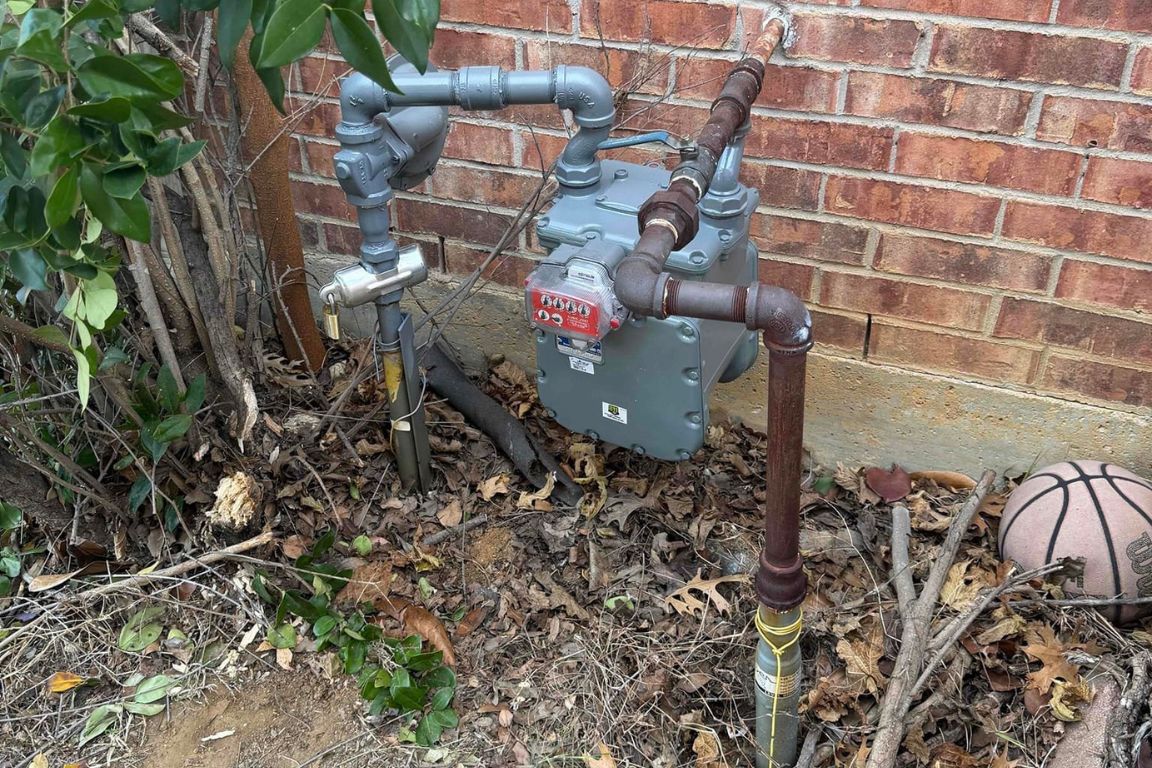
Many homes depend on gas for cooking, water heating, or other equipment. Those appliances can be convenient, but gas lines require careful installation, inspection, and maintenance. Even a small leak can create a serious safety risk, which is why unusual odors, damaged connections, or concerns raised during an inspection must be taken seriously.
Qualified gas line & gas red tag services can help address gas-related issues and determine what work is needed to bring an installation into compliance with applicable requirements. A red tag may indicate that an appliance or gas system has been identified as unsafe or noncompliant and should not be used until the concern is resolved. The exact procedure can vary by location and the authority involved.
If you smell gas, don’t try to locate the leak yourself. Avoid operating switches, lighting flames, or using equipment that could create a spark. Leave the building, move to a safe location, and contact the gas utility or emergency services according to local guidance. Don’t re-enter until the appropriate professionals say it’s safe.
For planned work, ask whether the technician is qualified for the specific gas system and whether permits or inspections are required. Good documentation matters, particularly when an appliance has been disconnected or flagged for safety reasons. It provides a clearer record of what was found and what has been done.
Keeping Drains Clear Without Damaging the Pipes
Drain problems tend to develop gradually. Hair collects around a bathroom drain, soap residue builds up, and food scraps or grease restrict the flow in a kitchen sink. At first, water may simply take a few seconds longer to disappear. Leave the problem alone long enough, though, and a minor blockage can become a messy backup.
Simple habits help. Use suitable drain strainers, wipe grease from cookware before washing it, and dispose of food scraps in the appropriate waste container. Avoid flushing wipes, cotton products, or other unsuitable materials down the toilet. Even products marketed as flushable may contribute to blockages in some plumbing systems.
Repeated clogs deserve more attention than another quick attempt with a plunger. A blockage that returns frequently may indicate buildup deeper in the pipe, a damaged section, or an issue with the drain’s slope. A plumber can inspect the system and recommend a suitable cleaning method instead of relying on guesswork.
Professional drain cleaning & fixture upgrades can also improve the usability of kitchens and bathrooms. Replacing an outdated faucet, fitting a more practical showerhead, or updating a worn sink fixture may improve everyday convenience while addressing leaks or poor performance. The key is choosing products that suit the existing plumbing and having them installed correctly.
Be cautious with chemical drain cleaners, especially when the cause of the blockage is unknown. Some products can damage certain materials, and mixing cleaning chemicals may create dangerous fumes. If several fixtures are backing up at once or sewage odors are present, stop using the affected drains and seek professional assistance.
Why a Reliable Water Supply Matters
Water is part of nearly every household routine, from preparing meals to bathing, cleaning, and doing laundry. When the supply becomes unreliable, even simple tasks can become frustrating. Low pressure, unexplained wet patches, discolored water, or water collecting near the foundation can all point to a problem that needs investigation.
A reliable water supply depends on more than the municipal connection or private well. The condition of the property’s pipes, shutoff valves, pressure controls, and plumbing fixtures can all affect performance. Leaks may occur at accessible connections, within walls, or along underground lines, so the symptoms don’t always reveal the exact location.
If the pressure drops throughout the house, check whether the issue affects every fixture or just one. A single tap may have a clogged aerator, while a broader change could indicate a supply problem or a leak. Don’t assume that a sudden change is normal, particularly if it appears alongside wet ground, unusual plumbing sounds, or a higher water bill.
Knowing where the main shutoff valve is located is another small but valuable step. In the event of a burst pipe, turning off the supply—if it is safe to do so—can limit the amount of water entering the home. Every adult in the household should know where the valve is and how it works.
Repairs, Improvements, and the Value of Planning
Homeowners often put off plumbing work because they worry about the cost or disruption. That’s understandable. Nobody wants to schedule repairs around work, school, or family commitments. Still, delaying a known problem can sometimes lead to more extensive damage and a larger bill.
When requesting an estimate, ask the plumber to explain the cause of the issue, the recommended repair, and any reasonable alternatives. Find out what the price includes, whether replacement parts carry a warranty, and if additional work might be needed if hidden damage is discovered. For larger projects, a written scope and expected timeline can prevent misunderstandings.
It also helps to keep records of previous repairs, fixture models, water heater details, and warranties. When a problem returns, this information can save time and help the technician understand what has already been done.
Choose Professional Help With Care
A good plumbing professional should do more than fix the immediate symptom. They should explain what they found, answer questions clearly, and let you understand why a particular repair is recommended. Check relevant licensing and insurance where required, and don’t hesitate to ask about experience with the type of work involved.
Clear communication is especially important for gas-related concerns, recurring drainage problems, and leaks that may affect structural materials. In these situations, the right diagnosis matters just as much as the repair itself.
A Home Runs Better When the Essentials Are Cared For
Plumbing doesn’t need constant attention, but it does benefit from occasional checks and sensible decisions. Watch for changes, avoid putting unsuitable materials down drains, treat gas safety concerns seriously, and call a qualified professional when a problem is beyond a simple household fix.
The reward isn’t just fewer repairs. It’s peace of mind. When pipes, drains, fixtures, and gas connections are looked after properly, you can spend less time worrying about what might go wrong and more time enjoying the home you’ve worked hard to make comfortable.