There’s something wonderfully simple about filling a glass straight from the kitchen faucet. No bulky water bottles to carry home from the grocery store, no constantly refilling filter pitchers, and no wondering whether there’s enough drinking water left for dinner. Yet for many households, concerns about taste, odor, or dissolved contaminants make that everyday experience less straightforward.
Homeowners exploring advanced reverse osmosis systems in ottawa may find that membrane-based filtration offers a practical way to address specific drinking water quality concerns without treating every gallon of water used throughout the property.
Reverse osmosis isn’t particularly complicated once you understand the basics. However, knowing how it works, what it can accomplish, and how much maintenance it requires can help you make a more informed decision.
What Makes Reverse Osmosis Different From Ordinary Filtration?
Traditional water filters are useful for addressing certain particles, tastes, and odors. Reverse osmosis takes treatment further by using pressure to move water through a semipermeable membrane.
This membrane separates treated water from a concentrated stream containing rejected substances.
Depending on the equipment’s design and verified performance, reverse osmosis can reduce various dissolved salts, certain metals, and other contaminants that ordinary sediment filters cannot effectively remove.
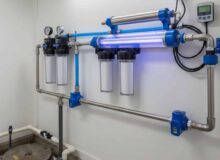
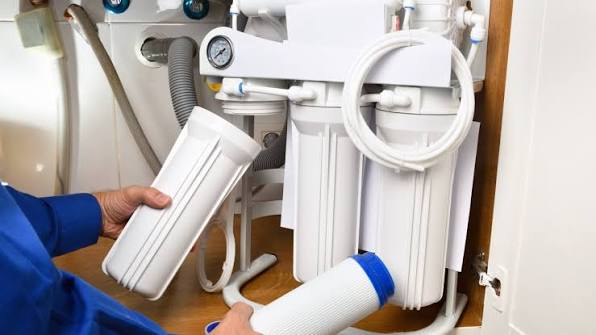
Many residential systems also include sediment and activated carbon filters. These additional stages help address suspended particles, certain odors, and substances that could interfere with membrane performance.
It’s a coordinated treatment process rather than a single filtration step.
However, no system should be assumed to remove absolutely everything. Understanding its verified contaminant reduction capabilities remains essential.
Why Treating Drinking Water Separately Makes Sense
Think about how your household uses water throughout the day. Some goes toward washing clothes, some is used for bathing, and considerably smaller quantities are used for drinking and preparing meals.
Installing a dedicated drinking water system allows homeowners to focus more specialized treatment on water intended for consumption rather than applying the same process to every household activity.
Under-sink reverse osmosis units are particularly convenient because they can provide treated water through a separate kitchen faucet.
This arrangement allows homeowners to fill glasses, prepare coffee, wash produce, and cook meals without relying exclusively on bottled water.
For many households, targeted treatment offers a more practical balance between convenience, installation expenses, and ongoing maintenance requirements.
Understanding Your Water Before Choosing Equipment
Ottawa homeowners shouldn’t assume that every property receives water with identical characteristics. Municipal supplies and private wells present different treatment considerations, while household plumbing can also influence water quality.
Effective home drinking water purification begins with understanding the incoming supply and identifying which substances genuinely need attention.
Reviewing municipal water quality reports or arranging appropriate laboratory testing can provide valuable information before selecting equipment.
Private well owners should pay particular attention to microbial contamination and locally relevant groundwater concerns.
Water appearance alone isn’t a reliable indicator of safety. A perfectly clear glass of water may still contain unwanted substances.
Choosing equipment according to testing results helps prevent unnecessary spending and ensures that treatment addresses actual concerns rather than suspected problems.
Can Reverse Osmosis Improve Food and Beverage Flavors?
Water is an ingredient we often overlook when preparing food.
Coffee enthusiasts understand how water composition can influence the flavor of their favorite morning brew. The same principle applies to tea, soups, homemade beverages, and various cooking activities.
Appropriate filtration may improve taste by reducing certain substances responsible for undesirable flavors or odors.
However, reverse osmosis also reduces naturally occurring dissolved minerals. Some people prefer the resulting taste, while others find it slightly flat.
Certain systems offer remineralization stages that adjust the mineral content of treated water.
Ultimately, taste is personal. Finding a treatment arrangement that suits your preferences can make drinking water at home a more enjoyable experience.
Choosing Between Tank-Based and Tankless Systems
Traditional residential reverse osmosis equipment often includes a storage tank that holds treated water until it’s needed.
This arrangement can provide convenient access to drinking water even when the membrane produces it relatively slowly.
Tankless systems work differently, producing treated water on demand and typically occupying less cabinet space.
Some tankless models require electricity, while conventional systems may operate using incoming water pressure when conditions permit.
Before choosing equipment, consider available installation space, household drinking water consumption, incoming pressure, and anticipated flow requirements.
A busy family may need different production capacity from someone living alone.
The best system isn’t necessarily the one with the longest feature list. It’s the one that fits comfortably into your kitchen and daily routine.
Considering Water Efficiency and Ongoing Maintenance
Reverse osmosis produces a reject stream containing concentrated dissolved substances. The amount of water discharged varies according to equipment design and operating conditions.
When comparing systems, ask about water recovery efficiency alongside treatment performance.
Maintenance deserves attention, too. Sediment cartridges, carbon filters, and membranes require periodic replacement according to manufacturer recommendations.
Storage tanks and other components may also require sanitation or servicing.
Periodic water testing is particularly important when equipment is intended to reduce potentially harmful contaminants.
Understanding these responsibilities beforehand helps homeowners avoid unexpected expenses and maintain dependable treatment performance.
Making Better Drinking Water Part of Everyday Life
Improving drinking water quality doesn’t need to involve an unnecessarily complicated household upgrade.
Start with reliable testing, identify your priorities, and choose reverse osmosis equipment with verified performance suited to your needs.
For Ottawa homeowners, a properly selected filtration system can offer convenience while addressing specific water quality concerns.
Sometimes, the value of a home improvement becomes apparent through the smallest daily experiences. Filling a reusable bottle before work, preparing a favorite cup of tea, or simply enjoying a refreshing glass of water at the kitchen sink can make thoughtful water treatment feel like a worthwhile investment.