
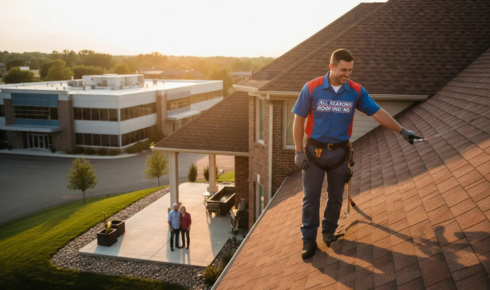
There’s something eerie about the calm after a storm. You step outside, the sky’s oddly blue again, but tree limbs are down, shingles litter the sidewalk, and your fence… well, it’s leaning like it had a long night. You already know — it’s time to check for damage. But what most folks don’t realize is that not all damage is easy to spot. Some of it hides, waits, and quietly causes problems months down the road.
That’s why, if your home just took a beating from wind, hail, or heavy rain, don’t just eyeball the yard and move on. Your roof, your gutters, your siding — they all need attention. And doing that now can save you from major repair bills later.
Start With the Right Kind of Inspection
You wouldn’t diagnose a car issue just by looking under the hood for five seconds, right? Same idea here. A proper storm damage assessment isn’t just about spotting what’s visible from the driveway. It’s about looking for subtle signs — bruised shingles, compromised seals, soft spots in the decking, misaligned gutters, and even attic leaks you haven’t noticed yet.
Trained pros know where to look. They’ve seen it all. More importantly, they understand that storms don’t always leave obvious fingerprints. Sometimes the damage is slow and sneaky. That’s what makes a detailed inspection worth its weight in peace of mind.
Not All Paperwork Is a Headache
Okay, nobody loves paperwork. But when it comes to your roof, documentation is gold — especially if you’re filing a claim or planning a repair. Most reputable contractors will walk you through a roofing estimate form that breaks down everything: materials, labor, timelines, warranty info, even disposal costs.
That form isn’t just for your records — it’s your protection. It ensures everyone’s on the same page and that there are no surprises halfway through the job. And if you’re comparing quotes (which you absolutely should), a detailed estimate helps you see who’s actually being honest and who’s cutting corners.
Pro tip? Don’t just look at the total price. Understand what’s included — and what’s missing.
Texas Weather Hits Different — So Should Your Roofing Plan
Living in the Lone Star State means learning to expect the unexpected. Hail the size of baseballs? Check. 60 mph winds one day, blazing sun the next? Also check. It’s wild out here — and your roof takes the brunt of it.
That’s why a basic inspection isn’t enough. You need a local expert who understands Texas-specific materials, insurance protocols, and storm cycles. A good Texas roofing consultation goes beyond the surface — they’ll talk about energy efficiency, hail-resistant materials, and even how your HOA might affect the job.
And let’s not forget: storm-chasing contractors love Texas. They roll in after a big weather event, offer flashy deals, take your deposit, and vanish. That’s why working with someone local — someone who’s got roots in your community — matters more than ever.
What to Watch for (Even Months Later)
Storm damage doesn’t always show up right away. Sometimes it takes weeks or even months for a problem to reveal itself. Maybe a leak doesn’t hit until the next heavy rain. Or you start to notice your AC bill creeping up because insulation got wet and lost its efficiency.
Keep your eyes open for:
- Water stains on ceilings or walls
- Unexplained draftiness in certain rooms
- Spots of mold in your attic or along vents
- Loose shingles showing up in your yard
- Gutters pulling away from the house
Even if things seem minor, don’t wait. Small problems have a nasty habit of growing up fast — and they don’t care how busy life gets.
It’s Okay to Ask Questions (In Fact, You Should)
You don’t need to be a construction expert to make good decisions. But you do need to ask questions. A trustworthy roofer won’t mind — in fact, they’ll welcome it.
Ask things like:
- What materials do you recommend for our region’s weather?
- What’s the warranty on both materials and labor?
- Will you be handling permits and cleanup?
- What happens if you find additional issues during the job?
You’ll learn a lot — and more importantly, you’ll feel confident about who’s working on your home.
Final Thoughts: Don’t Wait for the Drip
Storms don’t care about your schedule. They don’t care if you’ve got a vacation planned or bills stacking up. When they hit, they hit hard — and sometimes, the damage they leave behind hides in plain sight.
Taking action now, while everything’s still fresh, isn’t overreacting. It’s smart. It’s responsible. And it’s way cheaper than waiting six months and having to rip out drywall, insulation, and half your ceiling.

