A handloom saree priced at several thousand rupees can look, at first glance, like an unreasonable amount to spend on a single garment, especially next to a printed saree available online for a fraction of the price. The comparison rarely holds up once you look at what actually goes into each piece, and how long each one is realistically expected to last.
What actually goes into the price tag
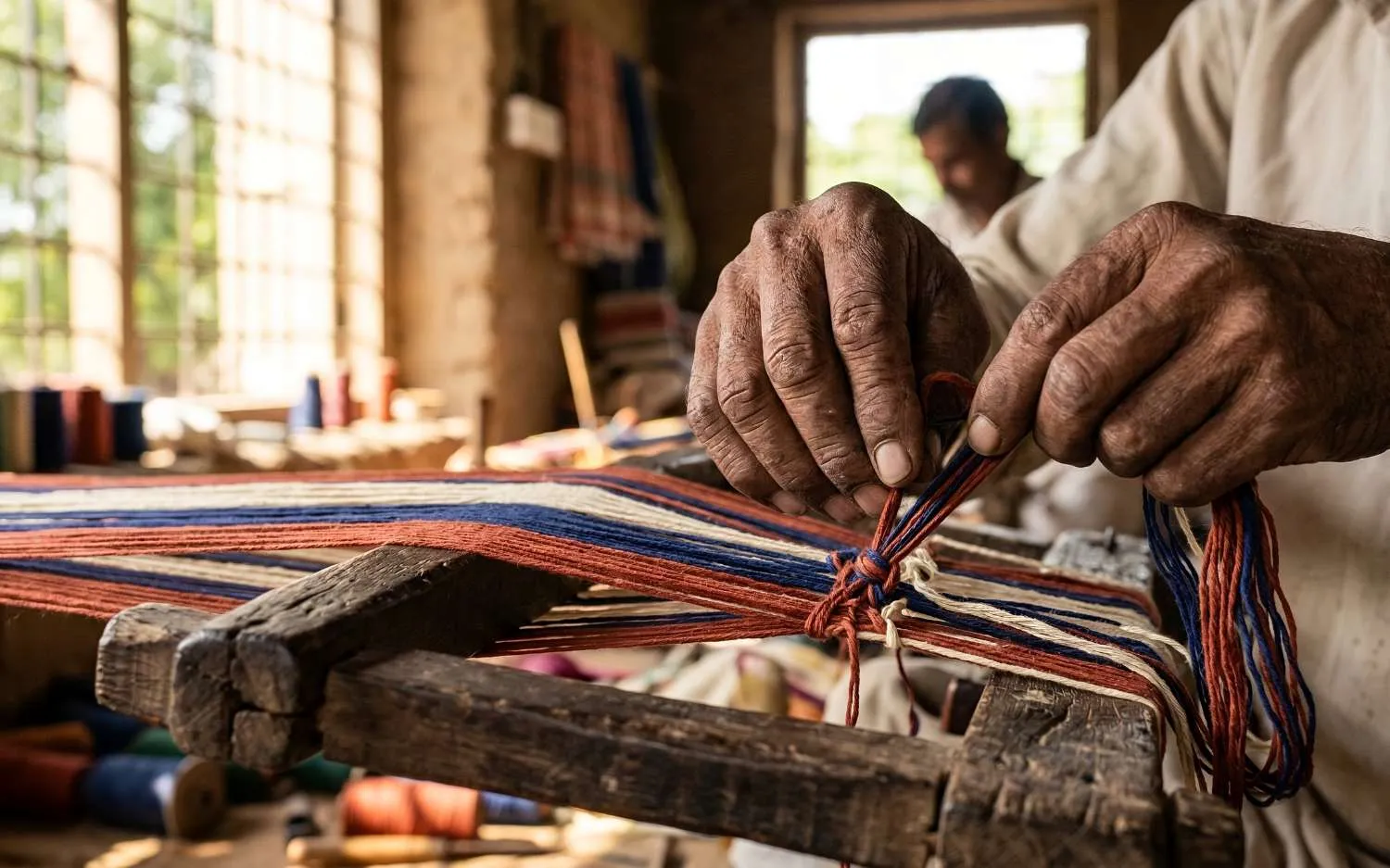
A single handwoven saree can take anywhere from a few days to several weeks to complete, depending on the intricacy of the weave, the yarn count, and whether zari or embroidery is involved. That time translates directly into labour cost for the weaver, on top of the raw material cost of good quality cotton, silk, or linen yarn, which is itself more expensive than the synthetic fibres used in mass production.
Unlike a factory that can produce thousands of identical printed sarees in a single run, a handloom weaver typically works on one saree, or at most a small batch, at a time. This is the core reason handloom pricing looks so different from fast fashion pricing, and it is not a markup so much as a direct reflection of the labour and material involved.
Cost per wear, a better way to compare
A cheap printed saree that fades, frays, or loses its shape after a handful of washes often ends up being replaced within a year or two. A well-made handloom saree, properly cared for, can remain wearable for a decade or longer. Dividing the purchase price by the realistic number of times a garment will actually be worn tells a very different story than comparing sticker prices alone, and it usually favours the handloom piece.
Where handloom saves money over years, not seasons
Handloom sarees also tend to age well stylistically. Because the weaves and motifs are rooted in tradition rather than a passing trend cycle, a Chanderi or Banarasi saree bought today is unlikely to look dated in five years the way a fast fashion print often does. This reduces the pressure to keep replacing pieces simply because they have fallen out of style.
For buyers weighing this trade-off, browsing a range of handwoven silk and cotton sarees across different price points is a useful way to see how fabric quality, weave complexity, and construction time all factor into the final cost.
Questions to ask before paying a premium
Not every expensive saree is genuinely handloom, and not every handloom saree needs to be extravagantly priced. Before paying a premium, it is worth asking whether the saree carries a GI tag or handloom mark, whether the seller can speak specifically about the weaving region and technique, and whether the fabric composition is clearly stated rather than vaguely described.
When a lower price is actually a red flag
A saree marketed as handwoven Banarasi or Chanderi at a price that seems too low for the labour involved is worth treating with caution. In many cases, these are powerloom pieces using similar motifs, which is not inherently a problem, but it should be reflected honestly in the price and description rather than marketed as genuine handloom.
Conclusion
Handloom pricing can feel steep in the moment, but measured against durability, timelessness, and the direct support it provides to skilled artisans, it frequently works out to be the more economical choice over a wardrobe’s lifetime, not less.